In Ebbw Vale, a Welsh valleys town where 62% voted to leave the EU in 2016 despite receiving maximum EU funding, residents express regret and frustration over a lack of jobs and economic progress. The closure of the steelworks in 2002 led to a reliance on EU money for regeneration, but post-Brexit, the promised replacement funds have not fully materialized, leaving the town struggling.
Regeneration Amidst Quiet
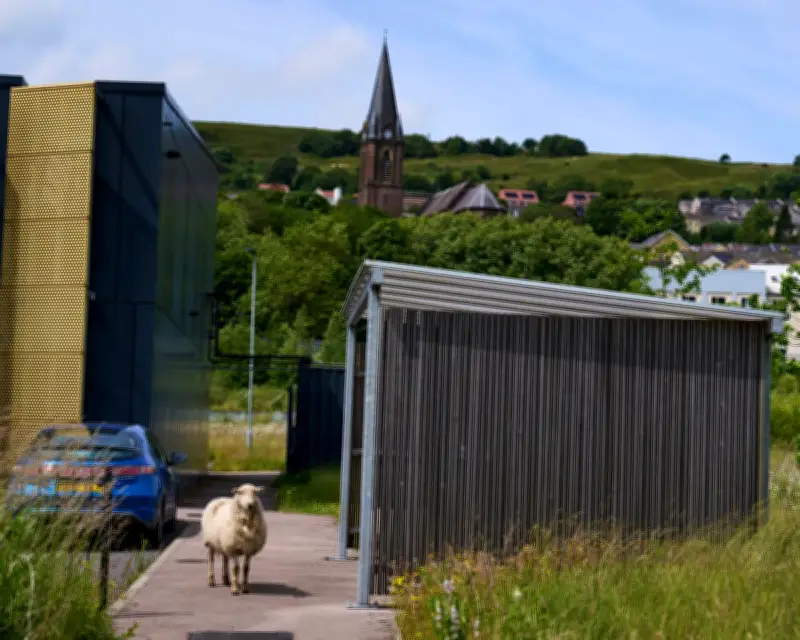
Where the steelworks once stood, a cluster of modern buildings now houses a hospital, leisure centre, college, cybersecurity research centre, and two tech firms. A new railway station opened in 2015. Yet during a recent visit, the area was quiet, with sheep roaming near the tech buildings. John Edwards, 77, a volunteer at the Ebbw Vale Works Museum, noted: “We don’t get as many visitors as we would like. The train station is busy in the mornings, packed with people going to Cardiff. We’ve become a commuter town.”
Brexit Vote and Regret
Despite massive EU investment, Ebbw Vale recorded the highest proportion of Leave voters in Wales at 62%. Claire Jones, 52, said: “It was shocking so many people voted leave when you just had to look around to see how much help we got from the EU. Either people didn’t care or they didn’t know, or they believed what the leave campaign said about immigration.” Lindsay Whittle, a Plaid Cymru representative, added: “What the Brexit vote showed was the depth of despair and how people felt left behind. I think now, a lot of people here regret that decision.”

Economic Struggles
Ebbw Vale and Blaenau Gwent are among the poorest areas in the UK. The steel mill closure ended traditional manufacturing jobs, and despite EU funding, jobs and median wages declined in real terms until the Brexit vote. A Bevan Foundation report stated: “It’s pretty clear that whatever else EU funds may have achieved, they didn’t boost the fortunes of Blaenau Gwent. If these towns were ‘showered with cash’, it appears to have gone straight down the drain.”
Post-Brexit Efforts
Since Brexit, the UK has failed to fully replace EU funding. Ebbw Vale is part of the Welsh government’s £100m tech valleys programme, with three tech companies and a coworking hub, Goldworks, opened in 2024. Blaenau Gwent council reports a net gain of 870 local businesses over the past decade, up from 511 in the previous decade. However, Nathan Grist, 40, a butcher, said: “We’re doing OK but some businesses are barely keeping afloat, and people have to cut back on even little things now.”
Political Shifts
Immigration concerns persist despite only 3.2% of the population being foreign-born. Brexit has fueled support for Plaid Cymru and Reform UK, eroding Labour’s traditional dominance. In May’s Senedd election, Ebbw Vale elected no Labour members; three seats went to Plaid Cymru and three to Reform UK. Whittle commented: “More and more, people in Wales are seeing that Westminster doesn’t work for them. The EU referendum and the mess afterwards are a big reason for that.”