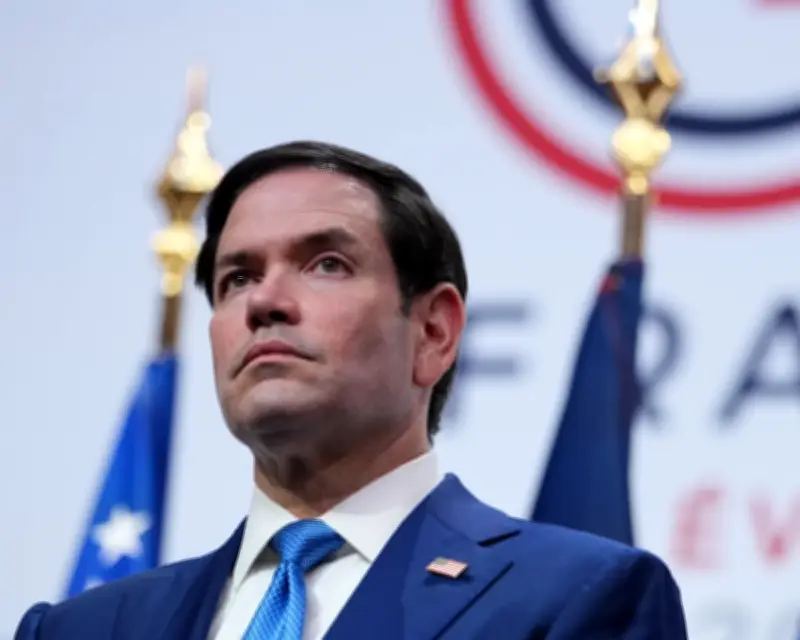
US Secretary of State Marco Rubio has secured the backing of key Gulf Arab allies for a new ceasefire deal between the United States and Iran, according to senior administration officials. The agreement, reached after weeks of intense shuttle diplomacy, aims to de-escalate tensions across the Middle East and halt Iran's nuclear enrichment program.
Diplomatic Breakthrough in Riyadh
During a summit in Riyadh, Rubio met with foreign ministers from Saudi Arabia, the United Arab Emirates, Qatar, and Bahrain. The talks culminated in a joint statement endorsing the framework, which includes a mutual halt to hostilities and a freeze on Iran's uranium enrichment at 60% purity. A senior State Department official confirmed that the Gulf states have agreed to serve as guarantors of the deal, providing economic incentives and security assurances.
“This is a historic moment for regional peace,” Rubio said at a press conference following the summit. “Our Gulf partners have shown tremendous leadership in supporting a path that prioritizes diplomacy over conflict.” The deal also includes provisions for the release of prisoners and the unfreezing of Iranian assets held abroad.

Key Provisions and Reactions
The ceasefire is expected to take effect within 72 hours, pending formal approval from Tehran. In exchange for halting enrichment, Iran would receive sanctions relief on oil exports and access to $6 billion in frozen funds for humanitarian goods. The agreement does not address Iran's ballistic missile program or its support for proxy groups, which remain points of contention.
Iranian Foreign Minister Hossein Amir-Abdollahian welcomed the deal but warned that “any violation by the US or its allies will be met with a firm response.” Meanwhile, Israeli Prime Minister Benjamin Netanyahu expressed skepticism, stating that Israel would “reserve the right to defend itself by any means necessary.”
Strategic Implications
The breakthrough marks a significant shift in US Middle East policy under the Trump administration, which had previously pursued a maximum pressure campaign against Iran. Analysts say the deal could reduce the risk of a broader war while potentially opening the door for future negotiations on regional security. However, critics argue that it falls short of dismantling Iran's nuclear infrastructure.
“This is a tactical pause, not a strategic solution,” said Dr. Sarah al-Hussein, a Gulf security expert at the Middle East Institute. “The real test will be whether both sides can build on this to address deeper issues like Iran’s missile capabilities and its role in conflicts from Yemen to Syria.”