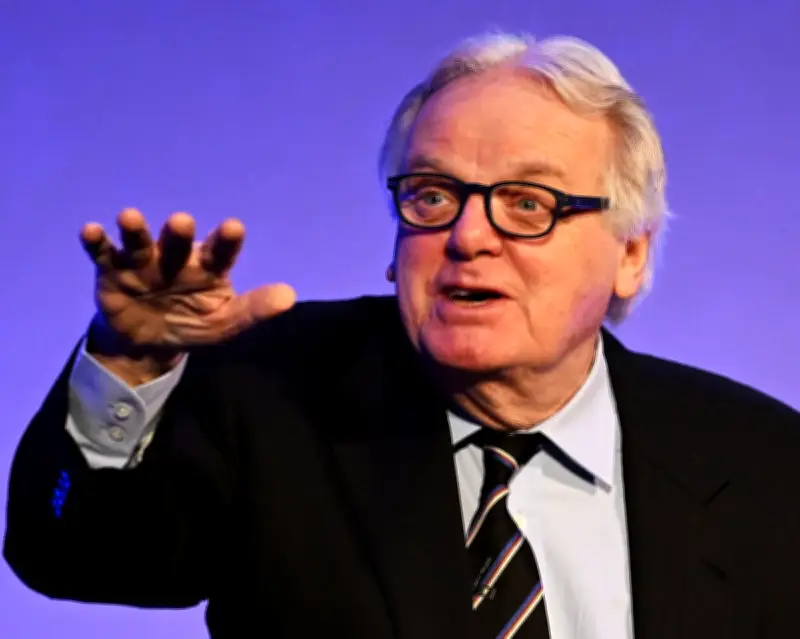
Michael Grade, the former chairman of the BBC, has launched a fierce defence of GB News, accusing its critics of attempting to silence free speech and uphold a narrow liberal consensus. In a speech delivered at the Edinburgh TV Festival, Grade argued that the backlash against the fledgling broadcaster reflects a broader intolerance within the media establishment.
Grade's Defence of GB News
Grade, who also served as chief executive of Channel 4 and ITV, described the attacks on GB News as "orchestrated" and driven by a desire to maintain what he called the "Islington consensus" – a term referring to the perceived dominance of liberal, metropolitan views in British media. He argued that the channel, which launched in 2021, provides a necessary platform for voices often marginalised by mainstream outlets.
"The ferocity of the assault on GB News is not about standards or quality; it is about silencing a perspective that challenges the prevailing orthodoxy," Grade said. He emphasised that free speech is a cornerstone of democracy and that the media landscape should accommodate a diversity of viewpoints, even those that some find uncomfortable.

Criticism and Controversy
GB News has faced numerous controversies since its launch, including complaints about its presenters and content. Ofcom, the UK's media regulator, has investigated several programmes for potential breaches of broadcasting rules. Critics argue that the channel has promoted divisive rhetoric and failed to meet impartiality standards.
However, Grade dismissed these criticisms as part of a coordinated effort to delegitimise the broadcaster. He warned that attempts to stifle GB News could set a dangerous precedent for media freedom in the UK. "If we allow the silencing of one voice, we risk silencing all voices," he added.
Reactions and Implications
The speech has drawn mixed reactions. Supporters of GB News praised Grade for speaking out, while detractors accused him of defending a platform that spreads misinformation. Media analysts note that the debate highlights deeper tensions within the UK's media landscape, particularly around issues of impartiality and representation.
Ofcom has yet to comment on Grade's remarks. However, the regulator has previously stated that it applies the same rules to all broadcasters and that its investigations are based on evidence, not political bias.
Grade's intervention comes at a time when GB News is seeking to establish itself as a permanent fixture in British broadcasting. The channel has struggled with low ratings and advertiser boycotts but continues to attract a loyal audience. Whether his defence will shift public opinion remains to be seen.