California's public university system, a cornerstone of the state's educational and research infrastructure, is under growing pressure from lawmakers and student activists over its financial and research ties to military equipment manufacturers. The controversy centers on tens of millions of dollars in contracts between the University of California (UC) and California State University (CSU) systems and defense contractors producing weapons systems, including drones, surveillance technology, and advanced weaponry.
Details of the Controversy
According to a recent report by the California State Assembly's Committee on Higher Education, at least 12 UC and CSU campuses have active research agreements with major defense firms such as Lockheed Martin, Northrop Grumman, and Raytheon Technologies. These contracts, valued at over $50 million collectively, involve projects ranging from artificial intelligence for autonomous vehicles to materials science for armor plating.
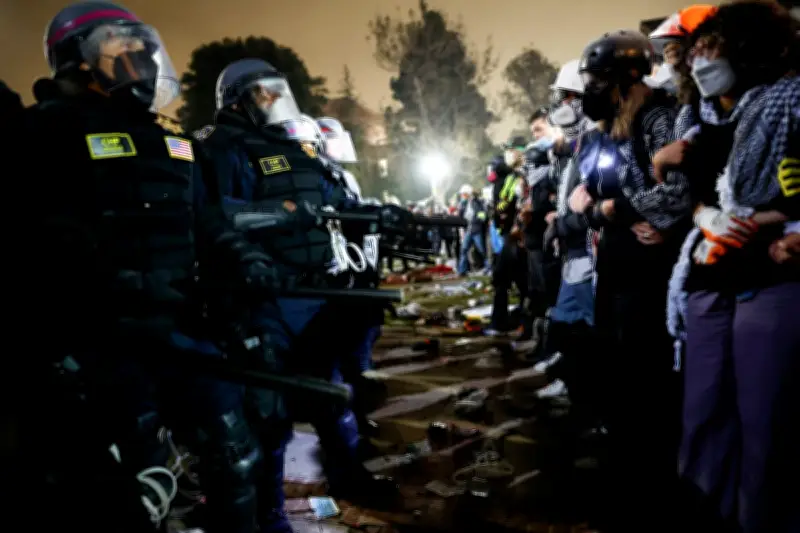
Assemblymember Mia Bledsoe, chair of the committee, stated: “Our public universities should be transparent about who they are partnering with and for what purpose. Students and faculty have a right to know if their research is contributing to military operations.” The call for transparency follows a series of student-led protests at UC Berkeley, UCLA, and San Diego State University, where demonstrators have demanded that universities divest from military contracts.

Impact on Campus Life
The protests have disrupted campus activities, with sit-ins and teach-ins becoming common. At UC Berkeley, a student group called “Demilitarize Cal” has organized rallies and petition drives, gathering over 2,000 signatures calling for the university to disclose all defense-related funding. University administrators have responded by forming task forces to review research policies, but have stopped short of ending contracts, citing the importance of federal funding and national security research.
UC system spokesperson Dr. Elena Torres emphasized the benefits: “These partnerships often lead to innovations that save lives, both in military and civilian contexts. We must balance ethical concerns with the practical realities of funding world-class research.” However, critics argue that such collaborations compromise academic integrity and contribute to global conflicts.
Legislative and Public Response
In response to the growing controversy, State Senator David Park has introduced a bill, SB 2045, which would require all public universities in California to publicly disclose any contracts over $1 million with military equipment manufacturers. The bill also mandates an annual report detailing the nature of the research and any restrictions on publication. The legislation has garnered bipartisan support, with some Republicans arguing for transparency to ensure taxpayer money is well-spent, and Democrats citing ethical concerns.
Public opinion appears divided. A recent poll by the California Public Policy Institute found that 52% of residents support increased transparency, while 38% believe that universities should maintain current partnerships to support national security. The remaining 10% were undecided.
Broader Implications
The debate in California mirrors a national conversation about the role of universities in military research. Similar controversies have erupted at institutions like MIT and Stanford, but California's large public system makes the issue particularly significant. If SB 2045 passes, it could set a precedent for other states to follow, potentially reshaping how public universities engage with the defense industry.
As the legislative session continues, both sides are mobilizing. Student groups plan a statewide day of action on September 15, while defense industry representatives have launched a lobbying campaign to argue that the bill would stifle innovation and harm California's economy. The outcome remains uncertain, but the debate shows no signs of abating.