Millions of young Americans miss out on voting
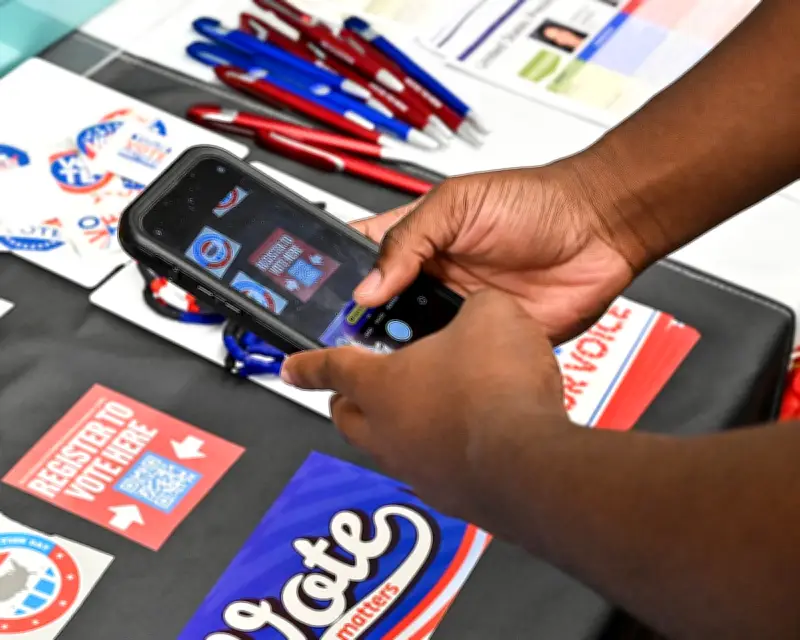
About 4 million Americans will turn 18 in 2026, but if past trends continue, fewer than one-third will be registered to vote in the November elections, according to Laura W Brill, founder and CEO of the Civics Center. In a typical midterm year, US Census data shows fewer than 30% of 18-year-olds are registered, compared with nearly 75% of those aged 45 and older.
Low registration is not due to apathy
Convincing evidence shows that when 18-year-olds are registered, they vote at nearly the same rates as older voters. In Pennsylvania, over 80% of registered 18-year-olds voted in the 2020 and 2024 general elections. Brill argues that low turnout stems from lack of access and support, not disinterest. 'Our systems fail to welcome all young voters into our democracy as soon as they are eligible,' she writes.
Barriers to youth registration
State DMVs are the main voter registration agencies under the 1993 Motor Voter law, but teen driving rates have dropped: only 44% of 17-year-olds and 60% of 18-year-olds have licenses, leaving 4.25 million young people without DMV access. Even where automatic registration exists, up to 45% opt out in California. Online registration is hindered because 29 states require a driver's license or state ID to complete the form.

High schools as a solution
Brill proposes making voter registration a normal part of high school before graduation. While 40% of Americans don't attend college, nearly everyone is enrolled in high school. Most states have laws requiring high schools to help with registration, but they are often ignored. Only three states—Tennessee, Louisiana, and Maine—have designated high schools as voter registration agencies.
Bright spots and needed action
Some states have dramatically improved registration rates: Oregon at 86% and Michigan at 77%. 'Kids there are not more engaged or motivated: their states have made it easier for them to access their political power,' Brill notes. She calls for laws and leaders to prioritize pre-registration and build manageable onramps to democracy. Until then, communities—students, teachers, parents—must step up to register young voters.