The Guardian is investigating the growing problem of medication shortages across the National Health Service (NHS) in the United Kingdom. We want to hear from patients, healthcare professionals, and anyone who has been affected by the lack of essential drugs.
Why We Are Investigating
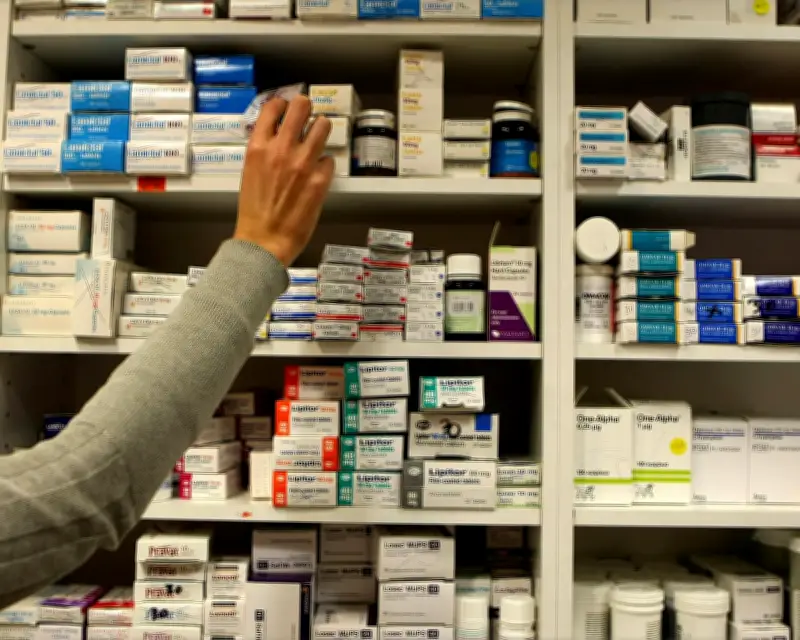
Reports of shortages have surged in recent months, affecting everything from common antibiotics to critical cancer treatments. According to the British Generic Manufacturers Association, the number of medicines in short supply reached a record high in 2025, with over 100 drug types affected at any given time. Patients have reported being unable to fill prescriptions, while pharmacists say they spend hours each day sourcing alternatives.
How You Can Help
If you or someone you know has experienced a shortage of NHS medication, we would like to hear your story. Your insights can help us understand the real-world impact of these supply chain issues. We are particularly interested in:

- Which medications were unavailable and for how long
- How the shortage affected your health or treatment
- Any steps you took to obtain the medication (e.g., contacting multiple pharmacies)
- Whether you were given an alternative and if it was effective
Share Your Experience
Please use the form on our website to submit your story. You can choose to remain anonymous. We will not publish any information without your consent. Your contribution could help shed light on a crisis that affects millions of patients across the country.
According to Dr. Leyla Hannbeck, chief executive of the Association of Independent Multiple Pharmacies, “Pharmacies are at breaking point. We are seeing unprecedented levels of shortages, and patients are suffering as a result. This is a systemic issue that needs urgent attention from the government and pharmaceutical companies.”
What We Have Learned So Far
Our initial research indicates that the shortages are driven by multiple factors: global supply chain disruptions, increased demand, manufacturing problems, and Brexit-related regulatory changes. The Department of Health and Social Care has acknowledged the issue and says it is working to resolve it, but many patients feel the response has been too slow.
One patient, who wished to remain anonymous, told us: “I had to go to five different pharmacies to get my son’s epilepsy medication. When I finally found it, the pharmacist said they had enough for only one month. I’m terrified about what happens next.”
Get in Touch
If you have a story to share, please contact our team via the dedicated page on The Guardian’s website. You can also email us at medication.shortages@theguardian.com. We look forward to hearing from you.