The United States has unveiled substantial reductions in its international HIV/AIDS funding, a move that has triggered widespread concern among activists and global health organizations. The cuts, which affect programs such as PEPFAR (the President's Emergency Plan for AIDS Relief), are expected to impact millions of people worldwide who rely on American support for treatment and prevention.
Details of the Funding Cuts
According to the White House budget proposal, funding for global HIV/AIDS initiatives will be reduced by approximately $1.5 billion, a 30% decrease from previous levels. This includes a $1 billion cut to PEPFAR, which has been credited with saving over 25 million lives since its inception in 2003. The remaining $500 million reduction targets contributions to the Global Fund to Fight AIDS, Tuberculosis and Malaria.
The administration argues that the cuts are part of a broader effort to reduce federal spending and prioritize domestic programs. However, critics contend that the move undermines decades of progress and puts millions at risk. "This is a devastating blow to global health," said Dr. Anthony Fauci, former director of the National Institute of Allergy and Infectious Diseases. "We cannot afford to let our guard down against HIV/AIDS."

Impact on Global Health
The funding reductions threaten to disrupt antiretroviral therapy for over 10 million people in sub-Saharan Africa and other regions heavily dependent on US assistance. Without consistent treatment, viral suppression rates could plummet, leading to increased transmission and drug resistance. UNAIDS estimates that the cuts could result in an additional 500,000 AIDS-related deaths annually by 2030.
Activists have condemned the decision, emphasizing that HIV/AIDS remains a global emergency. "These cuts are not just numbers; they represent lives lost and families shattered," said Winnie Byanyima, executive director of UNAIDS. "We urge the US government to reconsider this dangerous path."
Domestic and International Reactions
Within the US, bipartisan lawmakers have expressed alarm. Senator Lindsey Graham, a Republican from South Carolina, stated, "PEPFAR is one of the greatest achievements in modern foreign policy. Slashing its funding is shortsighted and will cost us more in the long run." Democratic Senator Chris Coons added, "We must honor our commitment to ending AIDS as a public health threat."
Internationally, leaders from affected countries have voiced deep concern. South African Health Minister Joe Phaahla warned that the cuts could reverse gains made in reducing HIV prevalence among young women and children. "We call on the US to stand by its moral and humanitarian obligations," he said.
Future of HIV/AIDS Activism
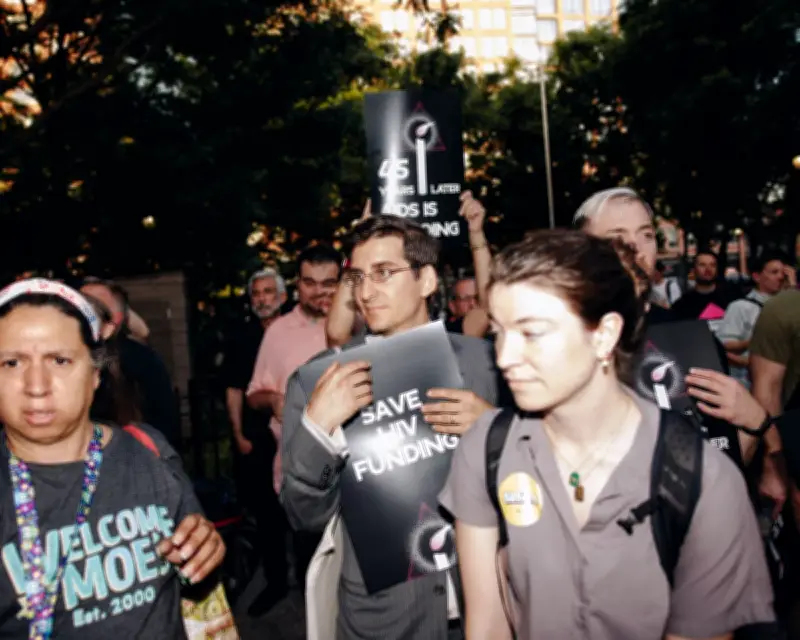
In response, advocacy groups are mobilizing to pressure Congress to restore funding. The Health GAP coalition has launched a campaign urging lawmakers to reject the budget proposal. "We will not allow this administration to abandon millions of people fighting for their lives," said Asia Russell, executive director of Health GAP.
Meanwhile, some experts suggest that innovative financing mechanisms, such as increased contributions from other donor nations or private sector partnerships, could partially offset the shortfall. However, they acknowledge that no replacement can fully compensate for the loss of US leadership and resources. The coming months will be critical in determining the fate of global HIV/AIDS efforts.