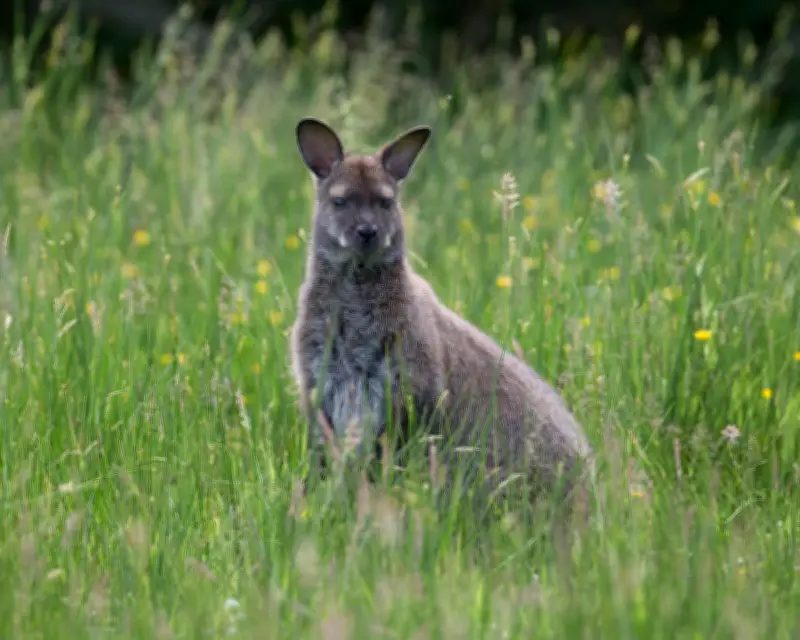
On a small island off the coast, the resident wallabies have become a costly nuisance. These marsupials, which were introduced decades ago, now roam freely, causing extensive damage to crops and gardens. Farmers report losing significant portions of their harvest to the hungry herbivores, while homeowners find their prized flowerbeds decimated overnight.
The scale of the problem
According to local authorities, the wallaby population has exploded in recent years, with estimates suggesting numbers have doubled in the past decade. This surge has led to increased conflicts with humans, as the animals venture closer to settlements in search of food. The economic impact is substantial, with annual losses running into hundreds of thousands of dollars.
Efforts to manage the population
Various management strategies have been attempted, including culling and relocation programs. However, these efforts have been met with mixed success. Culling operations are controversial, drawing criticism from animal rights groups, while relocation is logistically challenging and expensive. Some residents have resorted to fencing and deterrents, but these measures are only partially effective.

Environmentalists point out that the wallabies also affect native flora and fauna. They compete with indigenous species for food and habitat, potentially disrupting the island's delicate ecosystem. Conservationists are calling for a more sustainable approach that balances the needs of the wallabies with those of the environment and local community.
As the debate continues, islanders are left to grapple with the consequences of sharing their home with these wandering wallabies. The cost, both financial and ecological, is a burden that shows no signs of easing.