The world could be facing a super El Niño event in the coming months, with scientists warning of potentially catastrophic extreme weather patterns. This natural climate phenomenon, combined with the Trump administration's rollback of climate regulations, has experts deeply concerned.
What is a Super El Niño?
El Niño is a climate pattern that describes the unusual warming of surface waters in the eastern tropical Pacific Ocean. A super El Niño is an exceptionally strong version, often leading to severe weather disruptions globally, including droughts, floods, and heatwaves. The last super El Niño occurred in 2015-2016, contributing to record global temperatures and widespread damage.
Current Predictions and Risks
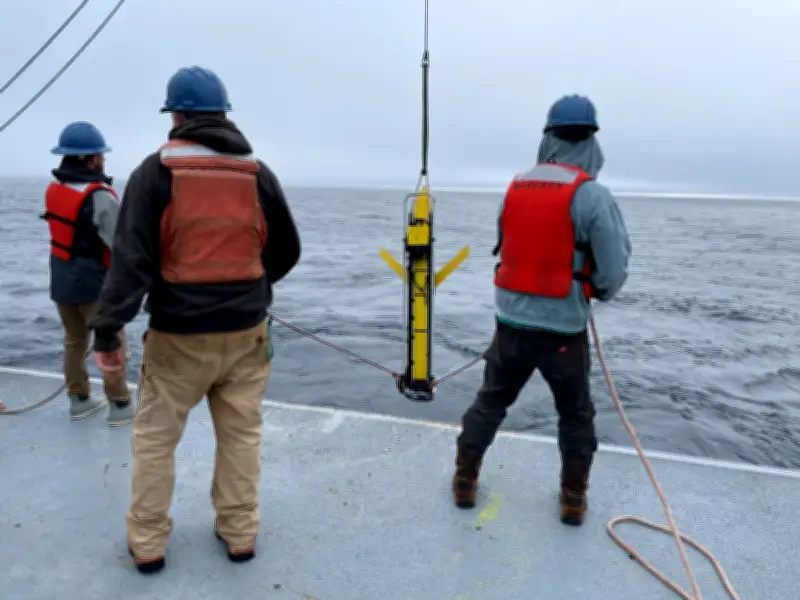
According to the Bureau of Meteorology and other international climate agencies, there is a high probability of a super El Niño developing later this year. The event could exacerbate existing climate crises, such as the ongoing drought in the western United States and the risk of wildfires in Australia. The World Meteorological Organization has stated that the world should prepare for more intense and frequent extreme weather events.

Trump's Climate Policy Rollbacks
The Trump administration has consistently downplayed the risks of climate change and rolled back numerous environmental regulations. The withdrawal from the Paris Agreement, the weakening of the Clean Power Plan, and the approval of fossil fuel projects have all been criticized by climate scientists. These actions, experts argue, leave the United States and the world less prepared to handle the impacts of a super El Niño.
As one climate scientist noted, “The combination of a natural super El Niño and the dismantling of climate protections could be a perfect storm for disaster. We are seeing the consequences of political decisions that ignore scientific evidence.”
Global Implications
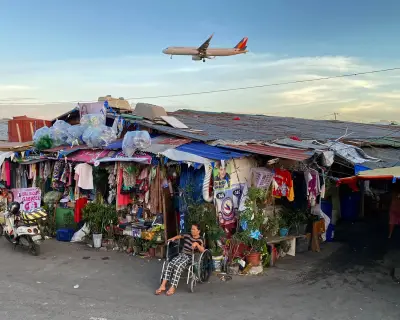
The effects of a super El Niño are not limited to one region. Southeast Asia could experience severe drought, while parts of South America may face flooding. The agricultural sector, already strained by climate change, could see significant crop failures, leading to food price spikes and increased hunger. The economic costs could run into billions of dollars.
In Australia, the Bureau of Meteorology has already warned of an increased risk of bushfires and heatwaves. The country is still recovering from the devastating Black Summer fires of 2019-2020, which were exacerbated by climate change.
Urgent Need for Action
Climate experts are calling for immediate action to mitigate the risks. This includes investing in early warning systems, improving infrastructure resilience, and reducing greenhouse gas emissions. However, with the Trump administration's policies, there is little hope for federal leadership on climate adaptation.
“We are in a race against time,” said a spokesperson from the Climate Council. “Every fraction of a degree of warming increases the severity of El Niño impacts. We need to act now to protect communities.”
The coming months will be critical in determining how prepared the world is for a super El Niño. Without decisive action, the consequences could be dire.