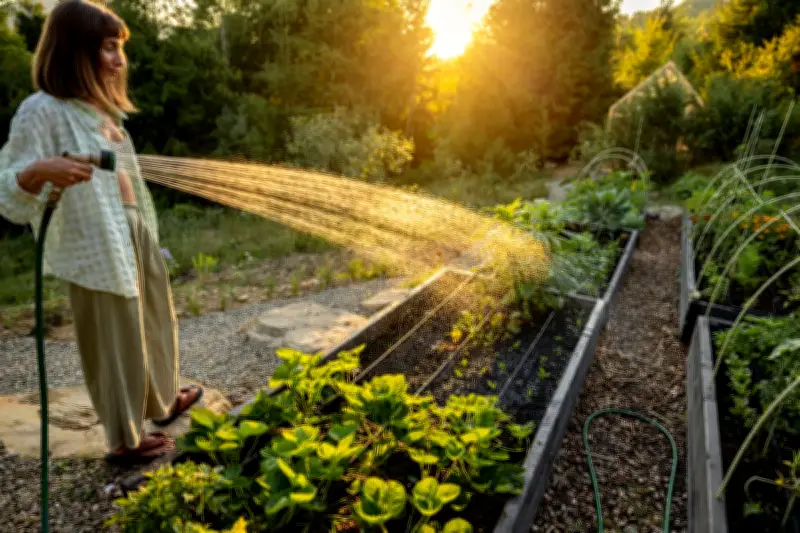
Gardeners are being urged to stop watering their lawns and instead focus on preserving moisture in the soil as heatwaves become more frequent. According to horticulturists, lawns can survive prolonged dry spells by going dormant and turning brown, then reviving when rain returns.
Why Lawns Don't Need Watering
Dr. Sarah Hardman, a plant scientist at the Royal Botanic Gardens, explains that grass is remarkably resilient. "During a heatwave, lawns naturally shut down to conserve energy. Watering them is wasteful because the water evaporates quickly or runs off, and the grass doesn't actually need it to survive." She advises that homeowners can save up to 50% of their outdoor water use by simply leaving the hose off the lawn.
Recycling Bathwater for Plants
Another key tip is to reuse greywater from baths and showers. "Soapy water from baths contains nutrients like phosphorus and nitrogen that plants love," says gardening author Jane Smith. However, she warns against using water with bleach or harsh chemicals. A simple bucket in the shower can collect enough water to keep flower beds and vegetable patches hydrated.

Making the Most of Shade
Creating shade is critical for protecting vulnerable plants. Gardeners can use shade cloth, umbrellas, or even old sheets to cover delicate crops like lettuce and tomatoes during the hottest part of the day. Additionally, planting trees and shrubs strategically can reduce soil temperature by up to 10 degrees Celsius, according to a study by the University of Melbourne. This not only helps plants but also cools the surrounding area.
Mulching and Watering Techniques
Mulch is a gardener's best friend in a heatwave. A layer of organic mulch, such as wood chips or straw, can reduce evaporation by up to 70%. Watering deeply but less frequently encourages roots to grow deeper, making plants more drought-tolerant. Drip irrigation systems are more efficient than sprinklers, delivering water directly to the root zone.
Choosing Heat-Tolerant Plants
Experts recommend swapping water-hungry plants for native species that thrive in hot, dry conditions. Succulents, lavender, and many Australian natives like kangaroo paw and grevillea are excellent choices. They require minimal watering once established and provide habitat for local wildlife.
Impact on Biodiversity and Water Bills
Adopting these strategies not only conserves water but also supports biodiversity. Brown lawns may look less manicured, but they provide shelter for insects and small animals. Furthermore, reducing water use can cut household bills significantly. During the 2023 heatwave, households that followed these tips reported water savings of 30% compared to the previous year.
As climate change brings more extreme weather, adapting gardening practices is essential. "We need to shift our mindset from a perfect green lawn to a resilient, sustainable garden," concludes Dr. Hardman.