For residents of Lagos, Nigeria's sprawling coastal megacity, every rainfall brings a wave of dread. Flooding has become a recurring nightmare, with the 2026 rainy season already displacing thousands and causing widespread damage. The city's inadequate drainage systems, combined with rising sea levels and more intense storms linked to climate change, have turned seasonal rains into a deadly threat.
Constant Fear and Displacement
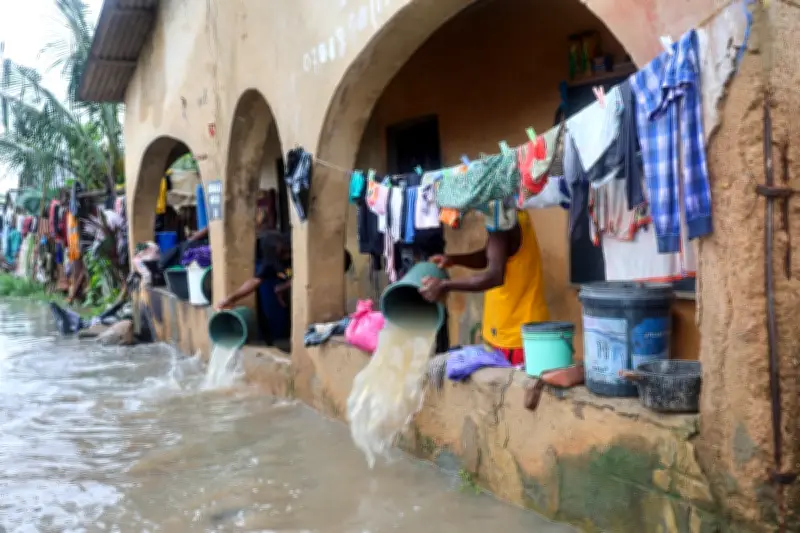
“Every time the rain falls, the fear comes back,” said Adeola Ogunlana, a mother of three living in the Makoko slum. “We never know if this time our home will be washed away.” Makoko, a waterfront community built on stilts, is particularly vulnerable. During heavy downpours, water levels rise rapidly, forcing families to flee to higher ground. Last month, a severe storm flooded over 2,000 homes across Lagos, affecting an estimated 100,000 people, according to the National Emergency Management Agency.
The economic impact is staggering. The Lagos State Government estimates that annual flood damage costs the city over $100 million, with small businesses bearing the brunt. Market stalls, shops, and workshops are frequently inundated, destroying goods and equipment. Many residents have lost their livelihoods repeatedly.

Root Causes: Poor Drainage and Climate Change
Lagos faces a perfect storm of factors making it prone to flooding. The city's rapid urbanization has led to unchecked construction on floodplains and wetlands, which naturally absorb rainwater. Drainage channels are often clogged with solid waste, and the state's drainage master plan is severely underfunded. Climate change exacerbates the problem: sea levels along the Nigerian coast are rising by about 3 mm per year, and rainfall intensity has increased by 10-15% over the past three decades, according to the Nigerian Meteorological Agency.
“The drainage system was designed for a different climate,” explained Dr. Chidi Nwafor, an urban planner at the University of Lagos. “We are seeing rainfall events that exceed the capacity of our infrastructure. Without massive investment in climate-resilient drainage and better urban planning, the situation will only worsen.”
Government Response and Community Adaptation
The Lagos State Government has launched several initiatives, including a $200 million drainage improvement project funded partly by the World Bank. However, progress is slow. Critics argue that the government focuses more on clearing drains after floods rather than preventive measures. In the meantime, communities are adapting on their own. In Makoko, residents have raised their homes on higher stilts and built floating platforms for markets. Others have created early warning systems using WhatsApp groups to alert neighbors when water levels rise.
Yet, for many, the psychological toll is immense. “We live in constant anxiety,” said Ogunlana. “Even when the sun is shining, I worry about the next rain.” With climate projections indicating more extreme weather, the threat of flooding in Lagos is unlikely to recede soon.