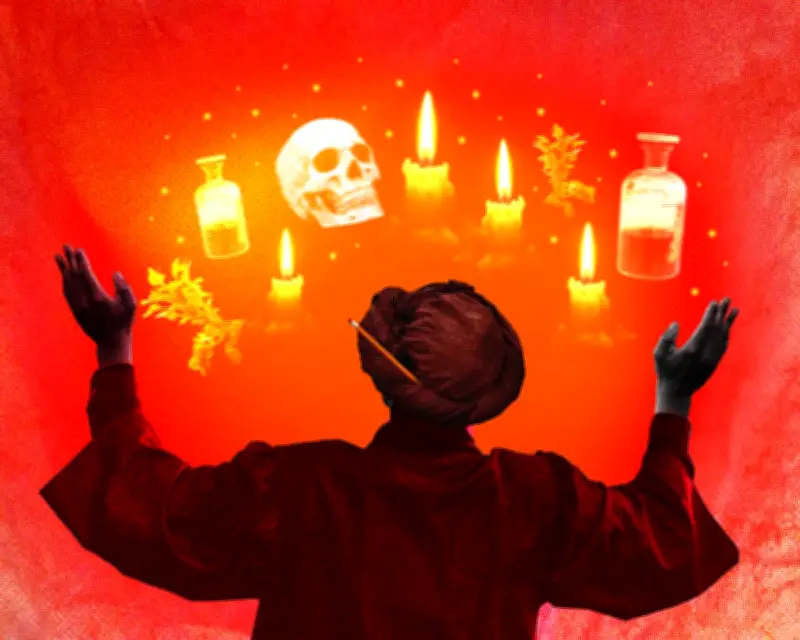
Despite centuries of colonial persecution and modern stigma, the Caribbean spiritual practice of Obeah continues to endure and evolve. Obeah, often misunderstood and maligned, is a system of spiritual beliefs and practices that originated among enslaved Africans in the Caribbean. It encompasses healing, divination, and the use of charms and spells to influence events.
Historical Persecution
Colonial authorities criminalized Obeah, viewing it as a threat to their control. Laws were enacted across the British Caribbean that prohibited Obeah practices, with severe penalties including flogging, imprisonment, and even death. This legal persecution continued long after emancipation, and many Caribbean nations still have laws against Obeah today.
Modern Stigma
In contemporary society, Obeah is often associated with black magic or superstition. Religious institutions, particularly Christian churches, have condemned it. Media portrayals frequently depict Obeah as sinister or dangerous. This stigma has driven many practitioners underground, making it difficult to study or preserve the tradition openly.

Cultural Resilience
Despite these challenges, Obeah persists. It remains a source of comfort and empowerment for many, providing spiritual guidance and healing. Practitioners adapt to changing times, incorporating elements of other religions and modern practices. The tradition is passed down through families and communities, often in secret.
Academic Reassessment
Scholars are increasingly reexamining Obeah, challenging colonial narratives and recognizing its cultural significance. They highlight its role in resistance against oppression and its contributions to Caribbean identity. This academic interest is helping to destigmatize Obeah and preserve its history.
Obeah in the Diaspora
Caribbean communities abroad have also kept Obeah alive. In places like the United States, Canada, and the United Kingdom, Obeah practitioners serve diaspora populations, maintaining cultural connections. The internet has created new spaces for sharing knowledge and resources, further supporting the tradition's survival.
Conclusion
The endurance of Obeah speaks to the resilience of Caribbean cultures and the human need for spiritual connection. While it may remain controversial, Obeah continues to be a vital part of the region's heritage, adapting and surviving against all odds.