Deadly US Airstrike in Somalia: 12 Civilians Killed
Earlier this week, the Guardian published an investigation into the deaths of at least 12 civilians, including eight children, who were killed in a US airstrike in Somalia last year. The strike occurred in November in the town of Jamaame, marking the deadliest US operation for civilians in Somalia during either Trump administration. The bombing has become increasingly aggressive, according to reporters Mark Townsend and Mohamed Gabobe.
Challenges of Reporting on Hidden Conflicts
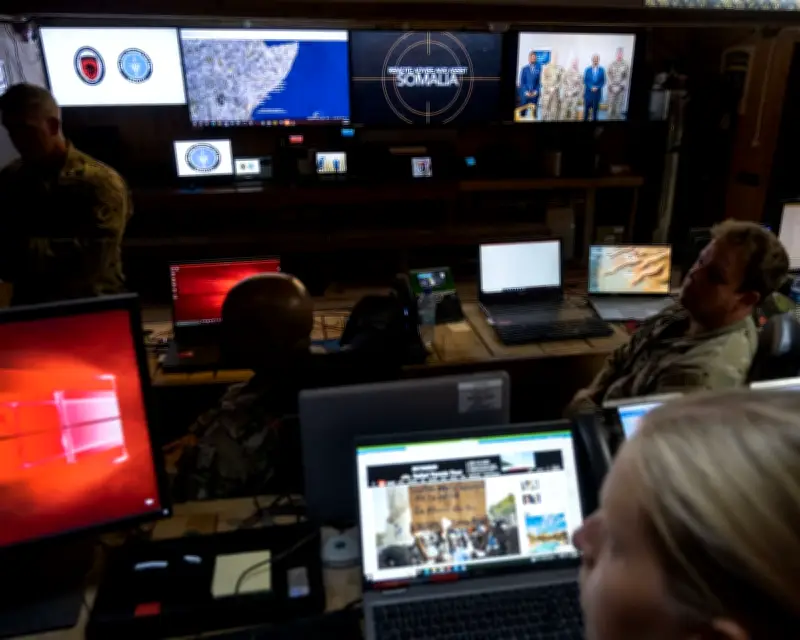
Many military conflicts go unreported due to local press restrictions, safety risks, lack of resources, and the sheer number of armed conflicts globally. The US military’s covert campaign against al-Shabaab in Somalia is particularly opaque. “It’s a very hard conflict to actually report on,” says Mark Townsend, a senior global development reporter. “Even excellent reporters like Mohamed can’t travel to areas controlled by al-Shabaab. Civilians in those areas aren’t allowed internet access or smartphones, so getting footage is very difficult. The US doesn’t release anything—it’s a very opaque campaign.”
Collaborative Reporting: Local Expertise Meets Global Reach
Mohamed Gabobe, a freelance journalist based in Mogadishu, worked closely with Townsend. “I sometimes get the sense that many western media outlets view civilian casualties from US airstrikes in Somalia as a norm,” says Mohamed. “But death shouldn’t be normalised, especially when the most powerful nation is doing it on communities that have nothing to do with the conflict.” The investigation involved reaching out to clan elders, who helped connect the journalists with survivors. “By negotiating with them and explaining my intentions, they helped put me in touch with some of the victims,” Mohamed explains.

Witness Testimony and Forensic Evidence
Survivors’ accounts were pieced together with photographs, video footage, X-rays of children’s shrapnel injuries, and interviews with drone specialists. “One of the biggest challenges was asking victims about the bodies of their loved ones or the screams they heard,” says Mohamed. “These details are crucial for putting together what actually happened.” The journalists also submitted 30 detailed questions to the US Department of War, which did not respond. The White House eventually replied, but their response highlighted a lack of transparency. “They didn’t know, didn’t care, or wouldn’t say,” says Townsend. “Either way, it’s pretty dire if you’ve killed innocent people—you’d think you’d feel a responsibility to work out why.”
Urgent Questions Remain Unanswered
The articles contain urgent unanswered questions: Who signed off the attack on a densely populated family neighbourhood? Why and who was the intended target? The refusal to share information is itself a galvanising factor. Townsend notes that readers have responded well to reporting on underreported conflicts like Sudan and the Democratic Republic of the Congo. “Readers do really care, which is very reassuring,” he says.