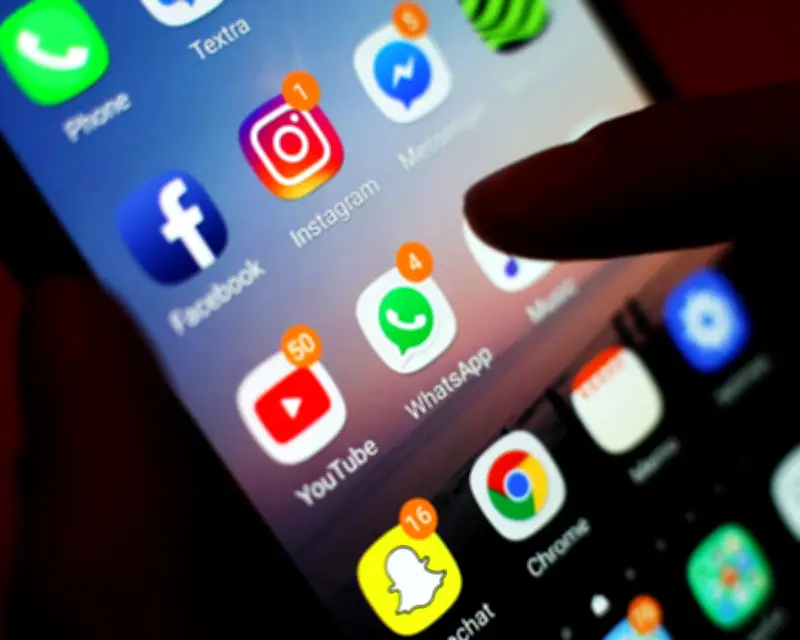
The UK government has issued new guidance urging parents to refrain from sharing photos of their children on public social media platforms, citing growing concerns over privacy, data exploitation, and child safety. The recommendation, released by the Department for Digital, Culture, Media and Sport (DCMS), advises that children's images should not be posted publicly to prevent them from being misused or falling into the hands of predators.
Details of the Guidance
The guidance, titled "Keeping Children Safe Online: A Parent's Guide," suggests that parents consider using private messaging apps instead of public feeds when sharing family moments. It also recommends reviewing privacy settings regularly and avoiding geotagging photos. According to a DCMS spokesperson, "The digital footprint we create for our children can have long-lasting implications. We want to empower parents to make informed choices."
A recent survey by the UK's Children's Commissioner found that 78% of parents have posted photos of their children online before the age of two, with an average of 1,500 images shared per child by age five. This practice, often called "sharenting," has raised alarms among child safety advocates.

Impact and Reactions
The guidance has sparked mixed reactions. Child protection charities, including the NSPCC, have welcomed the move, emphasizing that once a photo is online, control over its use is lost. "Parents often underestimate how images can be downloaded, altered, or shared without consent," said an NSPCC representative. However, some parents argue that sharing photos is a way to connect with family and friends, especially those living far away.
Social media platforms have also responded. Meta, which owns Facebook and Instagram, stated it already provides tools to limit photo sharing, such as private accounts and close friends lists. A Meta spokesperson said, "We encourage parents to use our privacy features and report any misuse."
The guidance is part of a broader UK initiative to enhance online safety, including the Online Safety Bill, which aims to hold tech companies accountable for harmful content. Critics, however, question whether the guidance is practical, given the social pressure to share milestones. The DCMS acknowledges that the recommendation is not a ban but a precautionary measure.