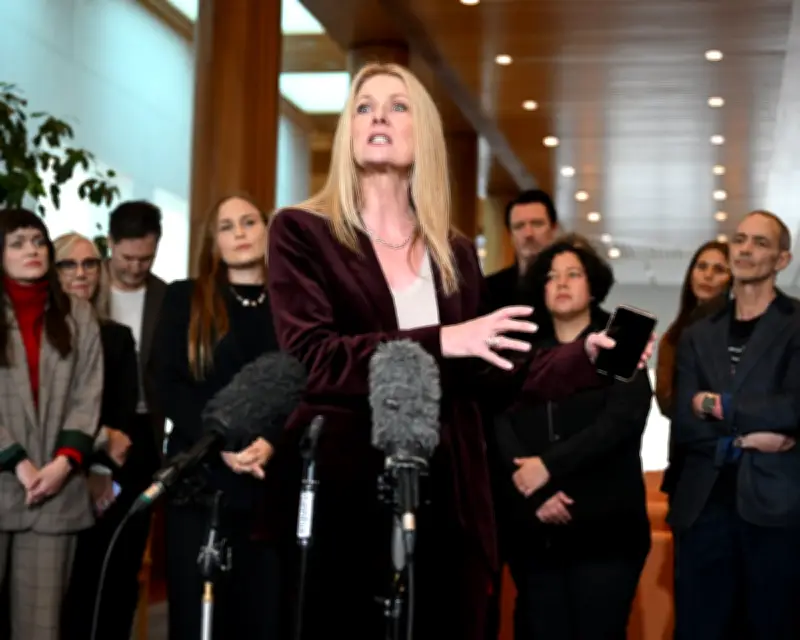
Australian artists, writers, and musicians have sounded the alarm over the Albanese government's proposed artificial intelligence copyright laws, warning that the changes would allow technology companies to use their creative works without permission or fair compensation. The proposed reforms, which are part of a broader push to attract data centre investments, have sparked a fierce backlash from the creative community, who argue that the legislation prioritises big tech over the livelihoods of individual creators.
Proposed Changes to Copyright Law
The government's proposals include expanding the 'fair use' exception to copyright, which would permit AI systems to scrape and learn from copyrighted material without needing to license it. This would cover text, images, music, and video used to train AI models. According to the government, the changes are necessary to avoid stifling innovation and to position Australia as a hub for AI development. However, creative industry representatives say the move would effectively legalise mass copyright infringement.
Arts organisations, including the Australian Society of Authors, the Music Council of Australia, and the Screen Producers Australia, have formed a coalition to oppose the changes. In a joint statement, they said: 'These laws would allow tech giants to take our work without asking, without paying, and without credit. It would destroy the economic foundation of Australia's creative industries.'

Economic Impact on Creatives
The creative sector contributes an estimated A$111.7 billion to the Australian economy annually and employs over 600,000 people. Under the current copyright regime, creators license their work to AI companies, generating income that supports their practice. The proposed changes would remove this requirement, potentially devastating individual incomes. A survey by the Australian Copyright Council found that 78% of professional creators fear the new laws would significantly reduce their earnings.
Dr. Fiona Katauskas, a political cartoonist and author, said: 'I rely on licensing fees from my work being used in publications and online. If AI can just take my cartoons without payment, I will not be able to continue my career. This is existential for many of us.'
Government's Position and Data Centre Push
The Albanese government has been courting major technology companies to build data centres in Australia, promising a regulatory environment that encourages AI research and development. The proposed copyright reforms are seen as a key incentive for companies like Google, Microsoft, and OpenAI to invest in local infrastructure. A spokesperson for the Minister for Industry and Science said: 'We are striking a balance between protecting creators and fostering innovation. Australia must not be left behind in the AI revolution.'
However, critics argue that the government is prioritising corporate interests over the rights of individual Australians. The opposition has seized on the issue, with shadow attorney-general Julian Leeser stating: 'The government is selling out Australian artists to please Silicon Valley. We will oppose any law that weakens copyright protections.'
International Context and Comparisons
Australia's proposed changes align with moves in other jurisdictions, such as the United States, where fair use doctrines have allowed AI companies to train on copyrighted material. However, the European Union has taken a different approach, requiring AI developers to obtain explicit permission from rights holders. Creative advocates point to the EU model as a better framework that respects intellectual property while still allowing innovation.
The debate comes as the government prepares to introduce the legislation later this year. A parliamentary inquiry into AI and copyright is currently underway, with submissions from both tech companies and creative organisations. The outcome of the inquiry will likely shape the final bill.
Call to Action from Creatives
In response to the proposed laws, a coalition of creative groups has launched a public campaign called 'Keep the Arts Alive', urging Australians to contact their MPs and voice opposition. The campaign has gained traction on social media, with prominent figures such as author Tim Winton and musician Missy Higgins lending their support.

Winton said: 'The government is sleepwalking into a disaster for culture. We need laws that protect the people who create the stories, songs, and images that define our nation.' The coalition plans to hold rallies in major cities next month.