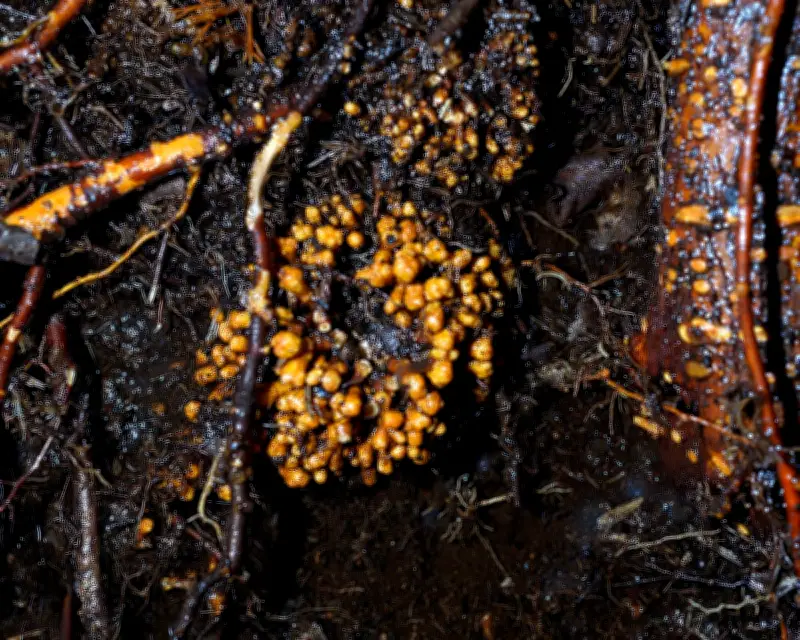
A groundbreaking global mapping study has unveiled the extensive networks of arbuscular mycorrhizal (AM) fungi that underpin plant life across the planet. These microscopic fungi form symbiotic relationships with the roots of most land plants, supplying essential nutrients and water in exchange for carbon. The research, published in the journal Nature, provides the first comprehensive global atlas of these fungal networks, highlighting their critical role in ecosystem functioning and climate regulation.
What Are Arbuscular Mycorrhizal Fungi?
Arbuscular mycorrhizal fungi are ancient organisms that have coexisted with plants for over 400 million years. They penetrate plant root cells, forming tree-like structures called arbuscules that facilitate nutrient exchange. In return for carbon compounds from the plant, the fungi deliver phosphorus, nitrogen, and other vital nutrients, as well as enhance drought tolerance. It is estimated that up to 80% of land plants depend on these fungal partnerships.
The Global Mapping Effort
An international team of researchers analyzed over 1,000 soil samples from diverse ecosystems worldwide, including forests, grasslands, and agricultural lands. Using DNA sequencing and advanced statistical modeling, they created high-resolution maps showing the distribution and abundance of AM fungi. The study revealed that these fungi are most diverse in tropical regions but are present on every continent, including Antarctica.

Key Findings
- Global Coverage: AM fungi are found in nearly all terrestrial ecosystems, with hotspots in tropical rainforests and temperate woodlands.
- Climate Connection: Fungal diversity is strongly linked to climate variables such as temperature and precipitation, suggesting that climate change could disrupt these networks.
- Agricultural Implications: Intensive farming practices reduce fungal diversity, which may impact crop yields and soil health.
Implications for Climate and Ecosystems
The findings underscore the importance of AM fungi in carbon cycling. These fungi store significant amounts of carbon in their hyphal networks, contributing to soil carbon sequestration. The study estimates that AM fungi hold up to 20% of the carbon stored in soil globally. Protecting these fungal networks could be a key strategy in mitigating climate change.
Lead author Dr. Maria Sanchez from the University of Zurich stated, "Our research shows that AM fungi are not just passive helpers; they are active engineers of ecosystems. By mapping them globally, we can better predict how ecosystems will respond to environmental changes."
Conservation Concerns
The study also highlights threats to fungal networks, including deforestation, urbanization, and agricultural expansion. Conservation efforts that protect soil biodiversity are essential for maintaining healthy ecosystems. The researchers call for integrating fungal conservation into global biodiversity strategies.
Future Research Directions
While this study provides a baseline, further research is needed to understand how specific fungal species interact with different plants and how networks change over time. The team plans to investigate the impact of climate change on fungal communities and explore the potential for using fungi to restore degraded lands.
This global mapping marks a significant step in understanding the hidden world beneath our feet, revealing the intricate web of life that sustains terrestrial ecosystems. As Dr. Sanchez emphasizes, "We are only beginning to scratch the surface of what these fungi do. Their role in supporting plant life is indispensable."