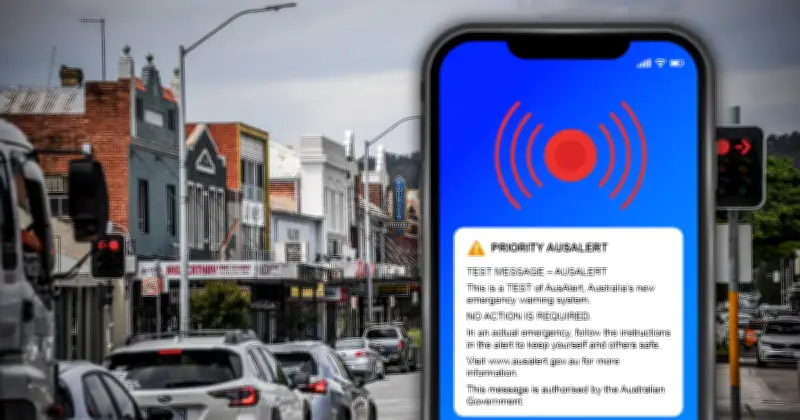
A new warning has emerged regarding Australia's emergency alert system, AUSAlert, suggesting that it could potentially expose the location of hidden phones. The system, designed to send critical warnings during emergencies such as natural disasters or security threats, may inadvertently reveal the presence of devices that users wish to keep private.
How AUSAlert Works
AUSAlert uses cell broadcast technology to send messages to all mobile phones within a specific geographic area. This method does not require phone numbers or personal data, as it broadcasts to every device capable of receiving the signal. However, the very nature of this broadcast can disclose that a phone is present in a particular location, which could be problematic for individuals using hidden or secondary devices.
Privacy Concerns
Privacy advocates have raised concerns that this feature could be exploited by malicious actors or even by authorities to track individuals. For instance, someone with a hidden phone for personal safety reasons might have its location revealed when an emergency alert is issued. Similarly, journalists or activists in sensitive situations could be at risk if their presence is disclosed through such alerts.

Technical Details
The issue stems from the fact that cell broadcast alerts are transmitted to all devices, regardless of whether they are registered on a network. This means that even phones without a SIM card or those set to silent mode will receive the alert and potentially respond with a confirmation signal, revealing their location. While the system is designed for safety, the unintended consequence of exposing hidden phones has sparked debate.
Government Response
The Australian government has acknowledged the concerns but emphasizes that the primary purpose of AUSAlert is to save lives during emergencies. Officials state that the system is not intended for surveillance and that privacy safeguards are in place. However, they are reviewing the technology to address potential vulnerabilities without compromising the effectiveness of emergency warnings.
Recommendations for Users
For those concerned about privacy, experts suggest disabling emergency alerts on devices that must remain hidden. However, this may not be possible on all phones, and doing so could prevent users from receiving critical warnings. Alternative solutions include using phones without cellular connectivity or keeping devices in airplane mode during sensitive situations.
Conclusion
As Australia continues to rely on AUSAlert for emergency communication, the balance between public safety and individual privacy remains a key issue. The government and technology providers are urged to work together to ensure that the system does not inadvertently compromise the safety of those it aims to protect.