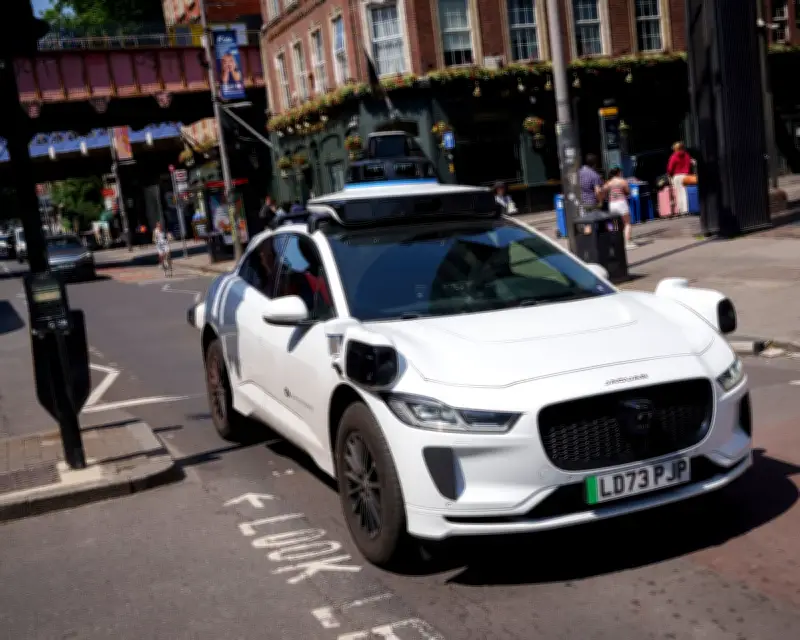
The Promise and Peril of Autonomous Vehicles
Autonomous vehicles have long been hailed as a transformative technology that could grant unprecedented mobility to people with disabilities. Yet, as development accelerates, there is a growing concern that these vehicles are being designed primarily for able-bodied users, leaving behind those who could benefit most. According to disability advocates, the tech industry's rush to market risks creating a new form of transportation inequality unless accessibility is prioritized from the outset.
Exclusion by Design
Current prototypes often lack features essential for many disabled users. For example, voice-activated controls may not work for people who are non-verbal, and visual displays are useless for those who are blind. Touchscreens, a common interface, pose challenges for individuals with limited fine motor skills. Moreover, wheelchair users frequently encounter vehicles without adequate space or securement systems. A 2023 study by the Ruderman Family Foundation found that 60% of disabled adults would use autonomous vehicles if they were accessible, but only 20% believe current designs will meet their needs.
Advocates Demand Inclusion
Organizations like the American Council of the Blind and the National Disability Rights Network are calling for mandatory accessibility standards. "We cannot allow tech overlords to decide who gets to ride," said Maria Town, president of the American Association of People with Disabilities. "Autonomous vehicles must be designed with input from disabled communities, not as an afterthought." She emphasized that federal regulations should require features such as tactile controls, audible signals, and automated ramps.

Economic and Social Impact
The stakes are high. Accessible autonomous vehicles could reduce unemployment among disabled people, who often face transportation barriers to work. The U.S. Bureau of Labor Statistics reports that in 2022, only 21.3% of people with disabilities were employed, compared to 65.4% of those without. Improved mobility could also lower healthcare costs by enabling better access to medical appointments. Conversely, inaccessible vehicles would deepen existing disparities.
A Call for Universal Design
Experts advocate for "universal design" principles that make products usable by all people without adaptation. This includes adjustable seating, easy-to-read displays, and multiple input methods. Some companies, like Waymo and Cruise, have begun pilot programs with accessible features, but advocates say progress is too slow. "We need a commitment from the entire industry, not just a few players," said John Doe, a transportation equity researcher at the University of California. "Otherwise, the revolution will leave millions behind."