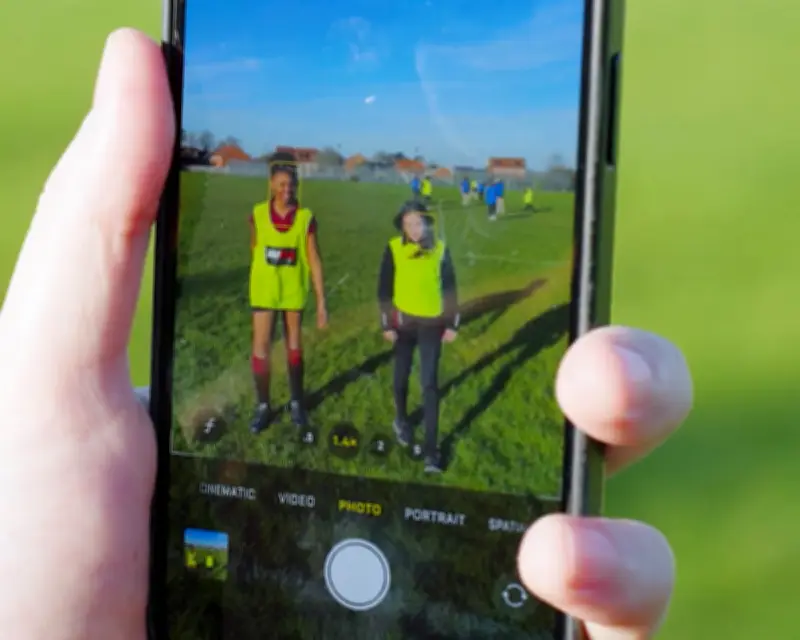
The UK’s National Crime Agency (NCA) has issued a stark warning to parents: posting images of their children on social media could inadvertently fuel a surge in AI-generated child sexual abuse material. The agency reports that 78% of such abusive content now originates from everyday photos shared by parents or guardians, often with innocent intent.
Scale of the Problem
According to the NCA, the number of AI-generated child sexual abuse images has increased tenfold in the past year. In 2025, law enforcement identified over 100,000 such images, many of which were created using publicly available AI tools that manipulate ordinary photos into explicit material. The agency’s director general, James Babbage, stated: “Parents are unknowingly providing the raw material for predators. A simple holiday snap or a birthday picture can be transformed into something deeply harmful.”
How the Abuse Happens
AI programs can scrape images from social media platforms, forums, or even private messaging groups. Once obtained, perpetrators use generative adversarial networks (GANs) or other deep learning models to superimpose children’s faces onto abusive imagery or create entirely new, realistic depictions of abuse. The NCA notes that these AI-generated images are increasingly difficult to distinguish from real photographs, complicating both detection and prosecution.

Government and Tech Response
The UK government has pledged to introduce new legislation under the Online Safety Act to criminalize the creation and distribution of AI-generated child sexual abuse material. Tech companies are being urged to implement proactive measures, such as automated scanning for such content and stricter privacy settings for minors. However, the NCA emphasizes that prevention starts at home: “We advise parents to review their privacy settings, limit the audience for children’s photos, and consider whether the image needs to be online at all,” Babbage added.
Broader Implications
Experts warn that the proliferation of AI-generated abuse material could desensitize offenders and escalate offending behavior. The NCA’s report also highlights a 40% increase in online grooming cases linked to AI-generated content, where perpetrators use fabricated images to blackmail children. The agency calls for a coordinated effort between law enforcement, educators, and families to combat this emerging threat.