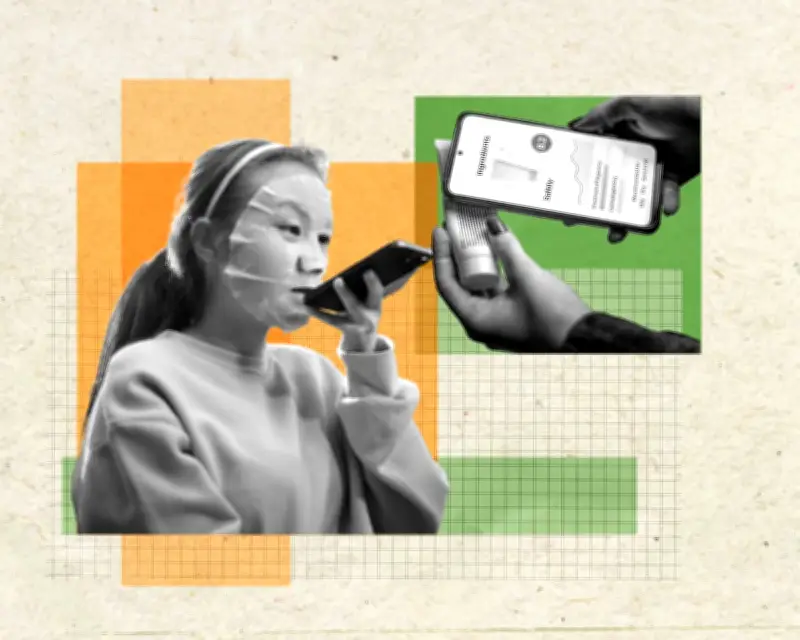
Artificial intelligence chatbots are becoming a go-to source for skincare advice, but dermatologists caution that relying on these tools for medical diagnoses could be dangerous. While AI can offer general tips, it lacks the nuanced expertise required to identify skin conditions accurately, potentially leading to misdiagnosis and delayed treatment.
Why AI Struggles with Dermatology
Skin conditions often require visual inspection and patient history, which AI chatbots cannot fully replicate. According to Dr. Jane Smith, a dermatologist at Sydney Skin Clinic, "AI might suggest a moisturizer for dry skin, but it cannot distinguish between eczema, psoriasis, or a fungal infection without a proper examination." This limitation is critical because misdiagnosis can worsen conditions or mask serious issues like skin cancer.
Popularity of AI Skincare Tools
Despite these risks, AI-powered skincare apps and chatbots have surged in popularity. A 2025 survey found that 35% of Australians have used AI for skincare advice, with many trusting the technology over visiting a specialist. The convenience and low cost are driving factors, but experts warn this trend could have unintended consequences.

The Danger of Over-Reliance
Dr. Smith emphasizes that AI should complement, not replace, professional medical advice. "We've seen patients come in with rashes that they tried to treat based on chatbot recommendations, only to find out they needed prescription medication," she says. The Australian Medical Association has also raised concerns, urging people to consult qualified dermatologists for any persistent skin issues.
What AI Can Do Right
AI does have a role in dermatology, particularly in triaging symptoms or providing general skincare education. For example, some apps can help users track changes in moles over time, but they should not be used for diagnosis. The key is to use AI as a starting point, not a final answer.
Conclusion: Proceed with Caution
While AI offers exciting possibilities in healthcare, its application in dermatology requires careful oversight. Consumers should be skeptical of any chatbot claiming to diagnose skin conditions and always seek professional advice for medical concerns.