Two hikers who veered off a walking track in Kosciuszko national park were found within five hours using a drone powered by artificial intelligence, a first-of-its-kind mission, Fire and Rescue NSW (FRNSW) has said.
Rescue Operation Details
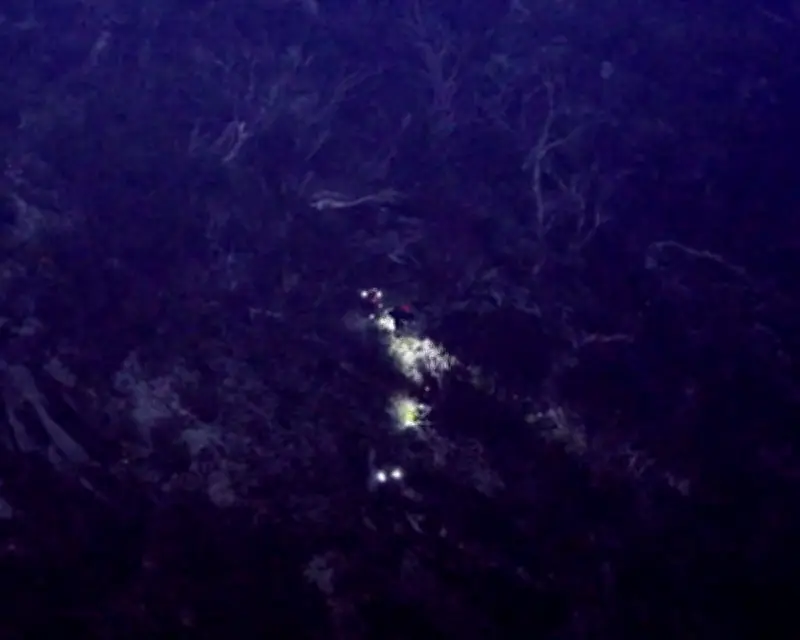
The two men, aged in their 20s, were reported missing at 7pm on Tuesday evening after they failed to return to a rendezvous point on time. FRNSW’s remote air piloted system was deployed, using thermal imaging to locate the hikers on the Dead Horse Gap track, about 35km south-west of Jindabyne.
Simultaneously, the hikers used a red light on a mobile phone to attract the drone in the dark. The drone’s built-in speaker enabled contact with the hikers, and its spotlight directed ground rescuers to their location, about half a kilometre off the track.

Impact of AI Technology
In cold conditions, the men were rescued less than five hours after being reported missing. They suffered mild effects of exposure but declined medical treatment. This incident marked the first time the FRNSW drone’s AI detection system was used to rescue missing people.
Fire and Rescue Inspector and regional duty commander for the NSW Alpine area, Phillip Eberle, told the ABC the technology potentially reduced the search time by several days. “It’s definitely helped make what could have been a long-term incident into a very short-term incident,” Eberle said. “There’s every chance in the world we could have still been out there.”
Future Applications
Eberle noted the drone technology enables swifter rescues and reduces risks for rescuers. “It means less time on the mountain and less time looking for people, and reduced risk so that the volunteers can get home to their families quicker.” He expressed hope that future remote technology could allow drones to drop emergency supplies and care packages to stranded individuals while they await rescuers. “We can save putting rescuers at risk overnight and drop a rescue pack to people so they’re OK overnight, and be there first thing in the morning when it’s safer for everyone,” he told the ABC.
Safety Advice for Hikers
Fire and Rescue Commander John Marzol urged hikers in the snowfields to notify the National Parks and Wildlife Service (NPWS) before their treks and register for free use of Personal Locator Beacons to prevent getting lost in the bush.