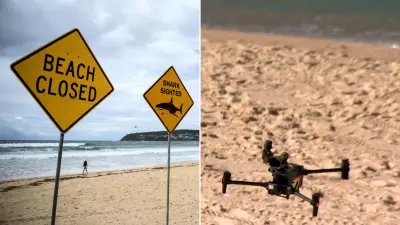
Australian firms and consortia managing public and commercial facilities face challenges as they adopt digital operations. AI-empowered software can address safety and security needs in fast-changing environments, supporting workers, guests, and the public through SaaS tools and facilities management applications.
Managers can use AI to improve safety, efficiency, and incident response across ACT facilities. As awareness of AI in safety grows, expectations rise across Australia's public and commercial sites. Reports show increasing acceptance of AI, such as its use in supporting freedom of information requests.
AI supports real-time safety operations in public spaces, large commercial sites, and mixed-use facilities. Leaders face pressure from government and users to enhance safety, ensure privacy and compliance, and improve security using AI tools. Applications include managing safe entry and exit, closing off unsafe areas during fires or floods, and keeping the public away from works or machinery.

AI security cameras and sensors assist with access control, identifying safety issues, and providing a big-picture view of operations. Business and facility managers can view live changes and respond instantly. AI also offers insights into trends, such as lesser-used entrances, improving signage to reduce stress on other access points.
Flood sensors detect leaks early, allowing area closure before incidents occur. At the management level, dashboards and predictive maintenance reports improve operational efficiency and resource allocation. On factory floors, AI monitors compliance with health and safety rules, identifying unusual behaviors and reporting live to make workplaces safer without personalizing issues.
AI-powered CCTV in Canberra supports safer communities and resilient infrastructure, aiding first responders and gathering evidence. Leaders should highlight AI benefits in investment plans, showing real-world examples of saving lives, time, and money, while promoting built-in privacy and compliance features to prevent violations.