The 1970 World Cup in Mexico was a tournament like no other, with teams resorting to extraordinary measures to adapt to the heat and altitude. From dehydrated training to made-to-measure kits, preparation played a crucial role, though not always successfully.
Bulgaria’s Dehydrated Training
Bulgaria attempted to prepare for Mexico’s conditions by training in the Pirin Mountains, but the cold temperatures there forced them to restrict water intake to simulate heat. This backfired as they lost their first two games and were eliminated early.
England’s Paranoia and Fishfingers
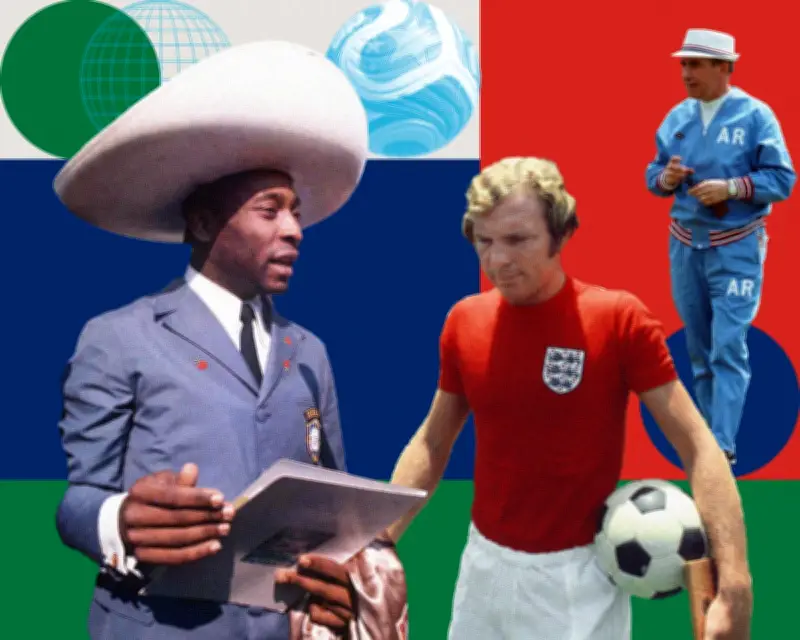
England, the reigning champions, were deeply concerned. They imported their own bus, food, and water, but Mexican authorities burned their frozen meat due to foot-and-mouth fears, leaving the team to survive on fishfingers. Captain Bobby Moore was also arrested for alleged theft in Colombia, delaying his arrival.

Brazil’s Scientific Approach
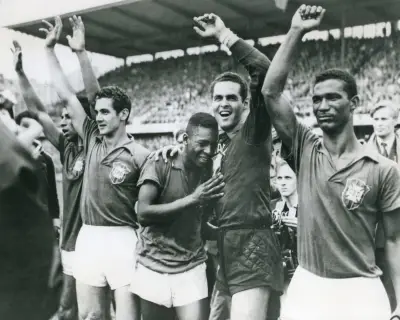
Brazil’s preparation was the most thorough. They spent 100 days at army facilities, with custom-made kits to minimize sweat, and used the Cooper test for fitness. They arrived in Mexico 32 days early, and their stamina paid off: 12 of their 19 goals came in the second half, leading to their third World Cup win.
Cameroon’s Shambolic 1990 Campaign
In contrast, Cameroon’s 1990 preparation was chaotic. Their coach spoke little French, kit was missing, and star player Roger Milla was recalled at the president’s request. Yet they stunned Argentina in the opening game despite two red cards, becoming the first sub-Saharan African team to win a World Cup match.
These stories highlight that while preparation is vital, it is not everything. The 2026 World Cup will likely see more sophisticated methods, but the lessons from history remain relevant.