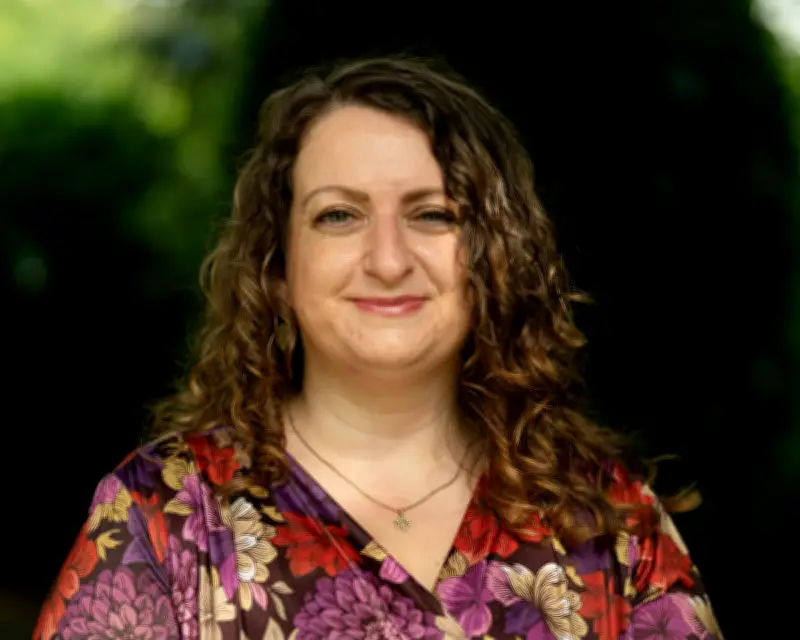
Elizabeth Arif-Fear, a 37-year-old interfaith activist, was born Christian, converted to Islam and was Muslim for 14 years, and has now converted to Judaism. She describes her journey as a gradual process, saying, “I feel I’ve finally found God without all the extras. Without Jesus, without Muhammad.”
Rise in Conversions
Arif-Fear is part of a surge in adult conversions to Progressive Judaism, which represents about a third of British Jews. Figures shared with the Guardian show that adult conversions rose from 78 in 2020 to 183 in 2025. Rabbi Jonathan Romain, convener of the Reform Beit Din, notes that this increase comes despite a rise in antisemitism and anti-Jewish feeling in the UK over the past three to four years.
Reasons for the Surge
Romain explains that until recently, most converts joined for romantic reasons, such as having Jewish partners. However, he identifies three additional factors driving the recent rise: the Covid-19 pandemic, the expansion of religious education in schools, and DNA tests. “We’ve found several times people have said to me, ‘Somebody gave me a DNA test as a Christmas present and it turned out I was Jewish,’” he says. For some, this knowledge intrigues them or answers a deep inner question.

Inclusivity and Diversity
Arif-Fear was drawn to Judaism’s progressive elements and its encouragement of questioning and debate. “What really inspired me was the diversity and the pluralism in it,” she says. “I learned that you could be atheist and Jewish, and then they had Orthodox, Conservative, Reform, Liberal, and that was really intriguing and inspiring for me.” She also appreciates the inclusivity, LGBT-friendliness, and the presence of female rabbis.
Diverse Backgrounds
Romain notes that converts are increasingly diverse, including people from Romania, Portugal, Korea, and other countries, reflecting Britain’s multiculturalism. There are also notable numbers of LGBT people converting, as Progressive Jewish communities can be more welcoming than other religious spaces.
Personal Stories
Debbie Collings, 65, converted to reclaim something she was born into. Raised Jewish until age 16, she later left the faith but returned after caring for her ill father. Finding the overgrown graves of her great-grandparents who fled pogroms in Russia, she felt a deep connection. After a year of classes and an interview with the rabbinic court, she received confirmation of her Jewish identity. “I go in there and for me it’s like this peace just comes over me,” she says. “And it sort of fills a big gap that I didn’t really realise was missing.”
Amanda, who preferred not to share her last name, grew up Christian but began questioning the New Testament. The more she learned about Judaism, the more she felt she belonged. Converting felt natural: “It just felt normal, like it should have been. Like it always was.” She now observes Shabbat and enjoys the sense of community.
Community Appeal
Romain emphasizes that Judaism offers a strong sense of camaraderie in an increasingly polarized and lonely world. “There’s that sense of human kindness and human contact,” he says. Although Judaism is not a proselytizing faith, the numbers of converts are growing. Romain quotes a Jewish saying: “If anyone tells you he loves God but he doesn’t love his neighbour, then you know he’s lying.”