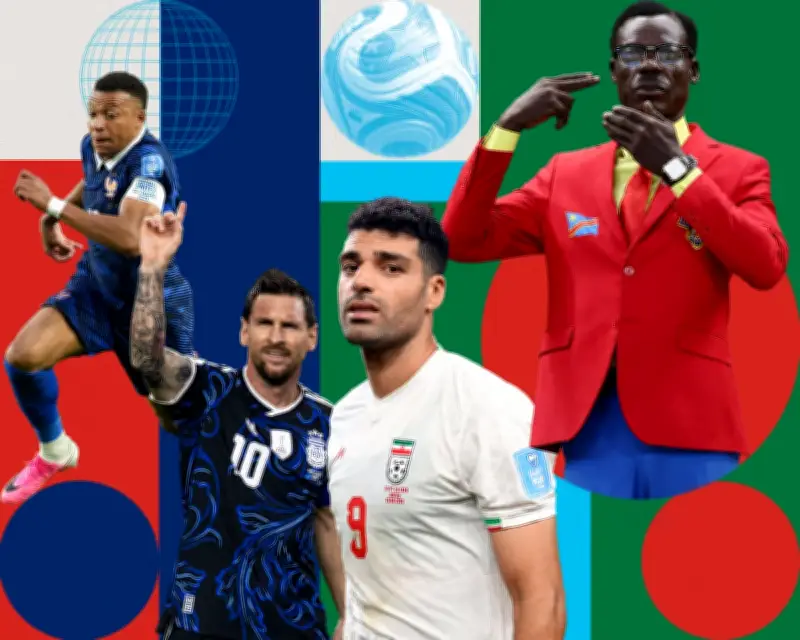
The 2026 FIFA World Cup, set to be hosted across the United States, Canada, and Mexico, has come under fire for its expanded 48-team format and tightly packed schedule. Critics argue that the changes prioritize commercial interests over player welfare and the quality of competition.
Player Welfare Concerns
Leading football figures have voiced concerns about the increased physical demands on players. The expanded tournament will feature 80 matches, up from 64 in 2018 and 2022, with some teams potentially playing up to seven games in less than a month. FIFPro, the global players' union, has warned that the schedule risks burnout and injuries. "The current calendar is already unsustainable, and adding more matches without adequate rest periods is irresponsible," said a FIFPro spokesperson. The union has called for mandatory rest periods and limits on consecutive appearances.
Competitive Balance at Risk
Critics also question the competitive integrity of a 48-team World Cup. Under the new format, the top two teams from each of the 16 groups advance to a round of 32, followed by a knockout stage. Some argue that this dilutes the quality of the group stage, as weaker teams may advance with just one win. Former Germany captain Philipp Lahm, who led the organizing committee for Euro 2024, said, "The World Cup should be about the best of the best. Expanding it risks making it a participation trophy."

Environmental and Logistical Challenges
The tri-continental hosting arrangement also presents logistical hurdles. With matches spread across 16 cities, travel distances for teams and fans are vast. Environmental groups have criticized the carbon footprint of such a sprawling event. A report from Carbon Market Watch estimated that the 2026 World Cup could generate over 3.6 million tonnes of CO2, triple that of the 2022 tournament in Qatar. Organizers have pledged to offset emissions, but critics remain skeptical.
FIFA's Defense
FIFA has defended the expansion, citing increased global representation and revenue. President Gianni Infantino stated, "Football is the world's game, and more nations deserve a chance to shine on the biggest stage." FIFA projects the 2026 tournament will generate $11 billion in revenue, up from $7.5 billion in 2022. However, many within the sport argue that financial gains should not come at the expense of player health and the tournament's prestige.
Player and Coach Reactions
Several prominent players have spoken out. England striker Harry Kane said, "Players want to play in the biggest tournaments, but we also need to be looked after. The schedule is getting crazy." Meanwhile, Brazil coach Tite expressed concerns about squad depth: "With more games, you need a bigger squad, but that doesn't guarantee quality. The best players will be exhausted."
Looking Ahead
As preparations continue, the debate over the 2026 World Cup's format is unlikely to subside. With the tournament still three years away, stakeholders are urging FIFA to reconsider certain aspects, such as reducing the number of group matches or extending the tournament duration. Whether the governing body will heed these calls remains to be seen, but the criticism underscores a growing tension between the sport's commercial evolution and its traditional values.