A new study from Swansea University reveals that informing drivers about the heightened risks SUVs pose to cyclists and pedestrians has minimal impact on their purchasing intentions. Researchers suggest that financial penalties may be necessary if governments aim to reduce the number of large, hazardous vehicles on the roads.
Background on SUV Risks
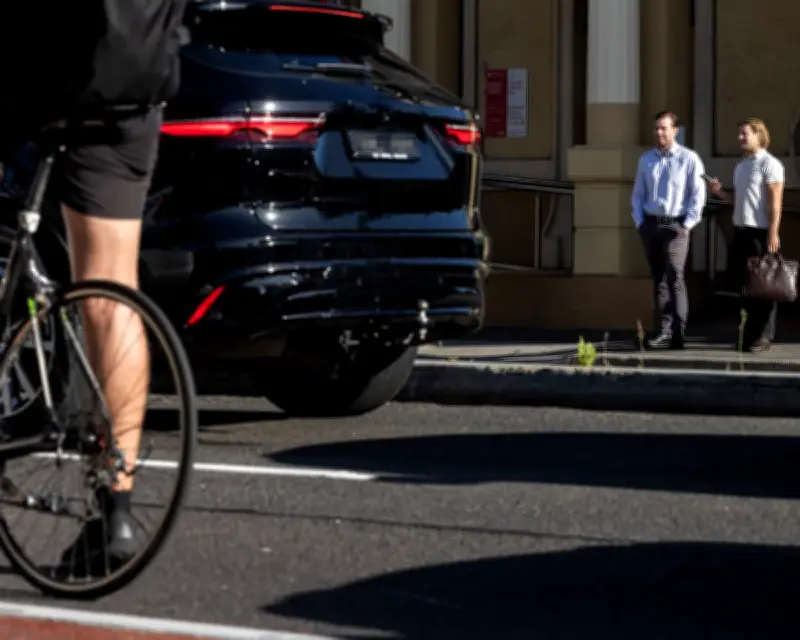
Multiple studies have demonstrated that SUVs and similar oversized domestic vehicles, such as pickup trucks, are more dangerous to pedestrians and cyclists than standard cars. The elevated risk is largely attributed to their higher and blunter front ends. A meta-analysis earlier this year found that an adult pedestrian struck by an SUV is 44% more likely to be killed than if hit by a smaller car, with the risk increasing to 82% for children.
Study Methodology
To assess how awareness of these dangers influences buying decisions, the research team surveyed a UK-wide sample of over 2,000 individuals, including both drivers and non-drivers. Participants were randomly divided into two groups. One group viewed one of three mock SUV advertisements that included a warning about the vehicle's "significantly higher risk of fatality" to pedestrians and cyclists. The other group saw the same ads without the safety warnings.

Key Findings
Before and after viewing the ads, both groups answered questions about their awareness of SUV risks. Among those who saw the warnings, awareness increased from 35% to 54%. However, when asked about their intention to purchase an SUV as their next car, the proportion of willing buyers dropped only marginally—by 3.7 percentage points compared to the group that saw standard ads. Overall, 95% of those who initially intended to buy an SUV maintained their decision despite the warnings.
Even among participants who considered the safety of vulnerable road users important, the effect was minimal: 86% of this subgroup stuck with their SUV purchase plans.
Expert Commentary
Professor Ian Walker, an environmental psychologist at Swansea University and co-author of the study, highlighted the concept of "motornormativity"—the tendency to judge car travel differently from other aspects of life. He stated: "Buying whatever vehicle we like, and driving it wherever and whenever we please without having to think about the consequences for other people, has become normalised and ingrained across our society over decades."
Walker added: "It's not surprising there's a growing body of evidence that says asking or encouraging people to drive differently doesn't work, and that stronger interventions will be needed if governments want to get serious about the issue. This almost certainly includes having a more honest conversation about how driving, no matter how useful to the person doing it, imposes harms on to other people."
Policy Implications
With SUVs now accounting for nearly 60% of new car sales across Europe, some jurisdictions are taking action. In 2024, Paris tripled parking charges for SUVs following a resident vote. Transport for London is considering additional charges for SUVs due to the greater risks they pose to others. The study's authors argue that financial penalties may be the most effective way to curb the proliferation of these dangerous vehicles.