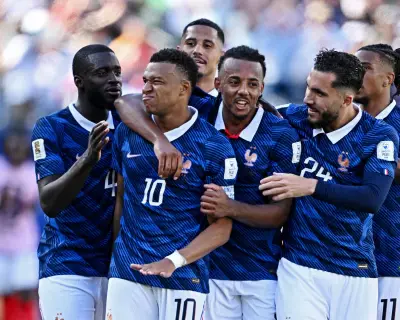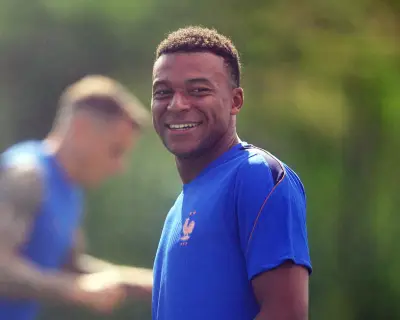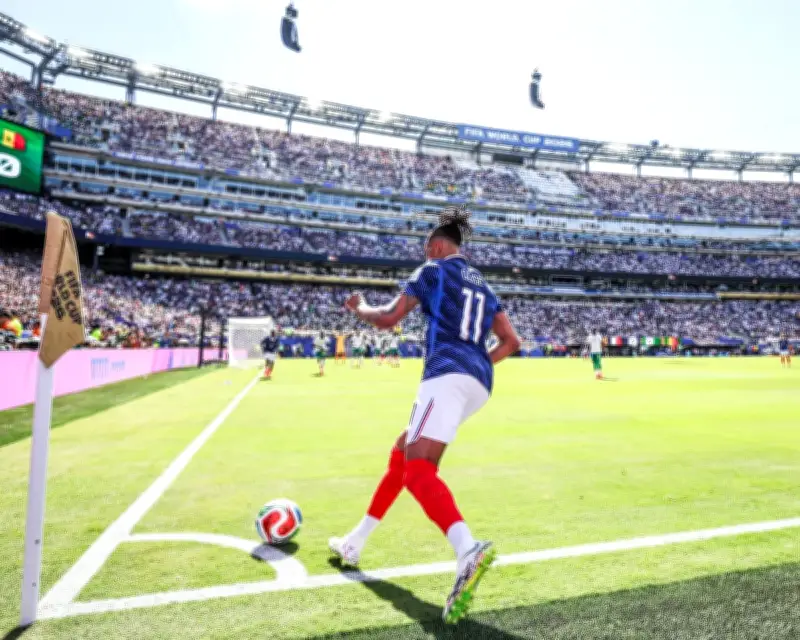
Michael Olise, born in White City, west London, and a devoted chess player who grew up loving cricket, has emerged as the standout creative talent in a star-studded France midfield. Against Senegal, his shift into a central role transformed a drab slog into an impressive victory, highlighting his unique freedom and joy on the pitch—a stark contrast to the tactical yoke imposed by manager Didier Deschamps.
Olise's Rise: From Hayes & Yeading to Bayern Munich
Olise, who started at Hayes & Yeading and had spells in the academies of Arsenal, Chelsea, and Manchester City before his big break at Reading, has evolved from his Crystal Palace days into a graceful fluency at Bayern Munich. He racked up 26 assists for Bayern last season, making him arguably the best creative player in the world currently. In a hugely talented France side, Olise is the standout player who might carry them to the World Cup, yet he remains an anomaly.
The Historical Faultline: La Gloire vs. Pragmatism
Olise represents a key faultline in French football history. At the 1982 World Cup, France's "carré magique"—Michel Platini, Jean Tigana, Alain Giresse, and Bernard Genghini—played with panache, embodying "la gloire." Despite a heartbreaking semi-final loss to West Germany, that style defined French football. Two years later, they won the Euros, but the idea held: French football was about glory.

However, after failures in the 1960s and 1970s, a reaction set in. Georges Boulogne spoke of "football labeur" and said the game had to stop being "un activité ludique." But it was only under Michel Hidalgo that style returned, leading to the 1984 European Championship. Yet France were often "glorious losers," as philosopher Raymond Aron noted, less interested in winning than in doing things well.
The Deschamps Era: Boring Winning Over Heroic Defeat
Gérard Houllier's overhaul of the academy system in 1988 paved the way for future success, but it was Aimé Jacquet who embraced safety-first football. Despite a squad loaded with creative talent—Zinedine Zidane, Thierry Henry, Robert Pires—Jacquet's cautious approach won the 1998 World Cup. The French found they enjoyed boring winning more than heroic defeat.
Deschamps, Jacquet's captain, learned that lesson. For 12 years, he has seemingly engaged in an absurdist prank: making the greatest squad of attacking players as boring as possible. It brought a World Cup in 2018, but after a glum 1-0 win against Belgium, Eden Hazard observed he would rather lose than win playing like that. A string of forgettable tournament appearances has led to a growing feeling that Deschamps has been holding them back.
Olise: The Hope for La Gloire
Since the European Championship, Ousmane Dembélé has owned the Ballon d'Or, Désiré Doué won man of the match in the Champions League final, and Kylian Mbappé was top scorer in La Liga. Yet the player causing excitement, the forward charged with restoring la gloire to France, is Olise. He represents a potential shift back to attacking flair, embodying the freedom and joy that French football once cherished.