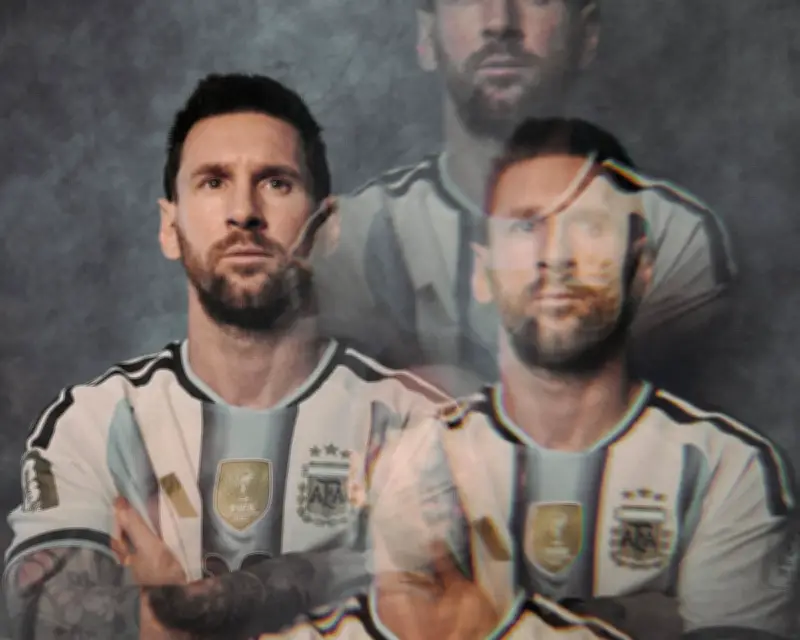
Lionel Messi's decision to join Inter Miami in Major League Soccer has sparked a lively debate about the state of soccer in the United States. The Argentine superstar, widely regarded as one of the greatest players of all time, brings unparalleled star power to a league that has long sought to elevate its global profile. However, questions remain about how his presence will affect the development of domestic talent and the growth of the sport at the grassroots level.
A New Era for MLS
Messi's move to the United States marks a significant moment in the history of MLS. The league has seen steady growth over the past two decades, attracting notable players like David Beckham, Zlatan Ibrahimovic, and Wayne Rooney. Yet, Messi's arrival is on a different scale entirely. His signing is expected to boost ticket sales, merchandise revenue, and international viewership. Inter Miami's matches have already seen a surge in demand, with tickets selling out within hours of the announcement.
Impact on American Soccer
Proponents argue that Messi's presence will inspire a new generation of American players and fans. Young athletes will have the opportunity to watch and learn from a living legend, potentially raising the technical standards of the sport in the country. Additionally, increased media attention could lead to greater investment in youth academies and infrastructure.

Critics, however, caution that the focus on aging superstars might overshadow the development of homegrown talent. They point to the example of the Chinese Super League, where big-name signings did not translate into sustained growth for the national team. There are concerns that MLS clubs might prioritize short-term marketing gains over long-term player development.
The National Team Perspective
For the United States Men's National Team (USMNT), Messi's arrival could be a double-edged sword. On one hand, playing against a player of his caliber in domestic competitions will test and improve American defenders and midfielders. On the other hand, the increased spotlight on MLS might lead to pressure on young players to emulate flashy playing styles rather than focusing on fundamentals.
Messi's move also comes at a time when the USMNT is preparing for the 2026 FIFA World Cup, which will be hosted jointly by the United States, Canada, and Mexico. The tournament is expected to be a watershed moment for soccer in North America, and having Messi in the league could help build momentum and interest among casual fans.
Comparisons with Other Sports
Some analysts draw parallels between Messi's move and the impact of international stars in other American sports. For instance, the arrival of soccer legends in the 1970s with the New York Cosmos helped popularize the sport but failed to sustain long-term growth after the North American Soccer League folded. However, MLS has proven more stable, with a solid business model and a focus on developing local talent through academies.
Ultimately, the success of Messi's MLS tenure will depend on how the league and its clubs balance the allure of celebrity with the need for sustainable development. If Messi can help elevate the overall quality of play and inspire young Americans to take up the sport, his legacy in the United States could extend far beyond his time on the field.
Looking Ahead
As Messi prepares to make his debut for Inter Miami, all eyes will be on how he adapts to the physical and tactical demands of MLS. The league is known for its fast-paced, athletic style, which can be a challenge for players accustomed to the more technical European game. Nonetheless, Messi's intelligence and skill suggest he will find ways to dominate.
For American soccer fans, the next few years promise to be an exciting period. Whether Messi's presence will lead to a lasting transformation or simply a temporary boost remains to be seen. But one thing is certain: the world will be watching.