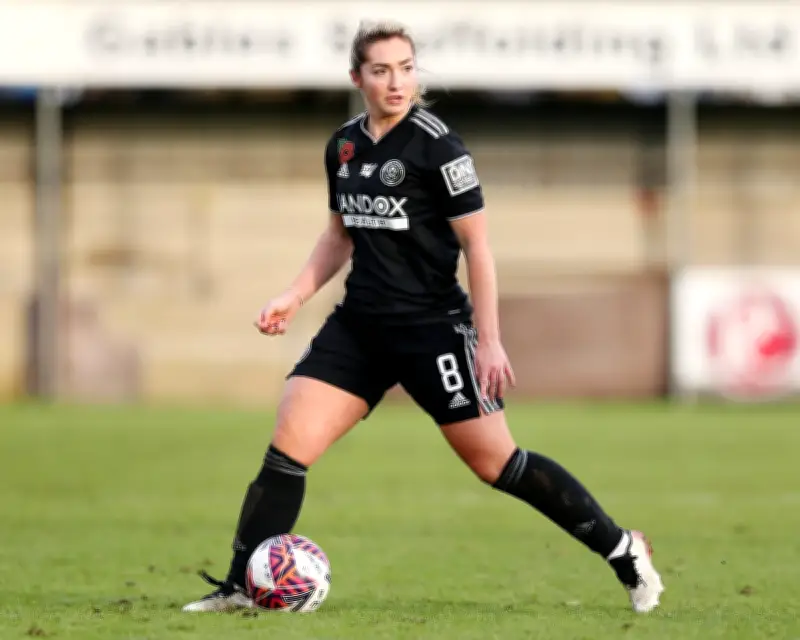
The tragic death of Sheffield United women's footballer Maddy Cusack has prompted a coroner to call for urgent changes to protect players' mental health and safety in the women's game. An inquest held in Chesterfield heard that the 27-year-old took her own life in July 2023 after enduring a toxic environment at the club, including alleged bullying and a lack of support from management.
Coroner's Findings and Recommendations
Senior coroner James Carney concluded that Cusack's death was contributed to by systemic failures within the club and the Football Association (FA). He issued a Prevention of Future Deaths report, highlighting that the women's game lacks adequate safeguarding protocols and mental health provisions. The report noted that Cusack had raised concerns about her treatment but was not taken seriously.
According to the inquest, Cusack was subjected to a 'campaign of bullying' by then-manager Jonathan Morgan, which included being dropped from the first team and ostracized by teammates. Morgan, who has denied the allegations, left the club in March 2024 after an internal investigation found he had breached safeguarding policies.

Systemic Failures in Women's Football
The coroner criticized the FA for failing to implement mandatory mental health support for women's players, unlike the men's game. He stated that the governing body's 'outdated' approach left players vulnerable. The inquest heard that Cusack had sought help from club officials but was told to 'toughen up' and that her concerns were 'not a priority.'
Statistics presented at the inquest revealed that female footballers are twice as likely to experience mental health issues compared to their male counterparts, yet resources remain scarce. The FA has since pledged to review its policies, but campaigners argue that immediate action is needed.
Family's Grief and Call for Change
Cusack's mother, Deborah, told the inquest: 'Maddy loved football, but the game failed her. We hope her death will not be in vain and that real change happens.' The family has launched a foundation to support mental health in women's sport.
The case has reignited debates about the treatment of female athletes, with several players coming forward to share similar experiences. Former England international Eniola Aluko described the system as 'broken' and called for independent oversight.
Impact on the Sport
The inquest's findings have sent shockwaves through women's football, with clubs now under pressure to review their welfare practices. Sheffield United said it has implemented new measures, including a dedicated welfare officer and mental health training for staff. However, critics argue that broader cultural change is required across the sport.
As a result of the inquest, the FA has announced a review of its safeguarding framework for women's football, with new guidelines expected by the end of 2026. The coroner's report has been sent to the FA, the club, and the Professional Footballers' Association, demanding a response within 56 days.