Cape Verde's remarkable victory over Spain in the World Cup has captured the imagination of football fans worldwide, reviving the timeless allure of underdog stories. The tiny island nation, making its debut in the tournament, defied all odds to secure a historic 2-1 win against the former champions, a result that echoes some of the greatest upsets in World Cup history.
A Night to Remember
The match, played in a vibrant atmosphere, saw Cape Verde take an early lead through a stunning strike from forward Jamiro Monteiro. Spain, known for their possession-based style, struggled to break down a disciplined Cape Verdean defense. Despite a second-half equalizer from Álvaro Morata, Cape Verde snatched victory in stoppage time with a header from defender Stopira, sending their fans into delirium.
This victory not only puts Cape Verde in a strong position to advance from their group but also highlights the growing competitiveness of African football. Coach Bubista, a former international, praised his team's belief and resilience: "We knew we could compete. This is a dream come true for our country."

Underdog Legacy
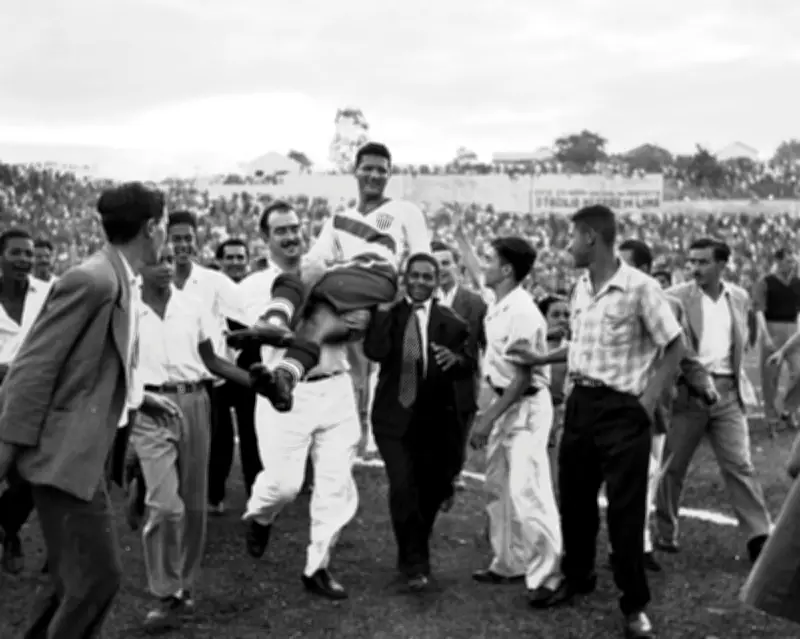
The World Cup has a rich tradition of underdog triumphs. From the United States' shock win over England in 1950 to Senegal's defeat of France in 2002, these moments define the tournament's magic. More recently, Costa Rica's run to the quarterfinals in 2014 and Iceland's draw with Argentina in 2018 captivated audiences.
Cape Verde's achievement is particularly remarkable given their population of just over 500,000. Their success underscores the global nature of football and the potential for smaller nations to shine on the biggest stage.
What's Next?
With this result, Group B has been thrown wide open. Cape Verde now faces a crucial match against Iran, while Spain must regroup against Portugal. The world will be watching to see if Cape Verde can continue their fairytale run.
As the tournament progresses, fans will undoubtedly cherish these underdog narratives. They remind us that in football, anything is possible.