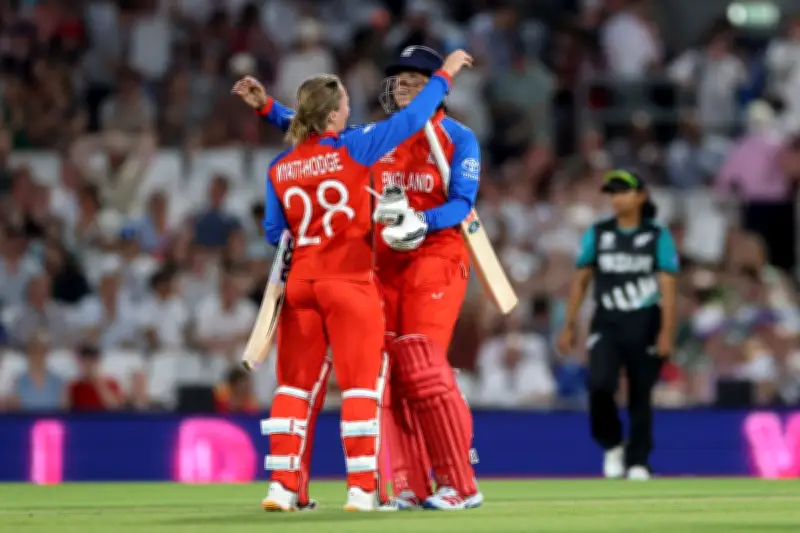
The Women's T20 World Cup has successfully broken cricket into the mainstream, marking a significant milestone for the sport. However, despite the tournament's success, financial issues continue to pose a challenge for the growth and sustainability of women's cricket.
Record-Breaking Viewership and Attendance
The tournament attracted record-breaking viewership and attendance, with millions tuning in from around the world. According to the International Cricket Council (ICC), the final match alone drew over 100 million viewers globally, a testament to the growing popularity of women's cricket.
Matches were held in packed stadiums across Australia, with the final at the Melbourne Cricket Ground seeing a sell-out crowd of 86,174 fans. This surpassed the previous record for a women's cricket match, set during the 2020 Women's T20 World Cup final at the same venue.

Mainstream Breakthrough
The tournament's success has been attributed to increased media coverage, sponsorship deals, and investment from cricket boards. The ICC reported that the event generated over $50 million in revenue, a significant increase from previous editions. This has helped elevate the profile of women's cricket, bringing it into the mainstream sporting conversation.
Players have also noted the shift. Australian captain Meg Lanning said, "The growth of women's cricket has been incredible. This World Cup has shown that we can compete with any sport in terms of excitement and talent." Her sentiments were echoed by Indian captain Harmanpreet Kaur, who stated, "The support from fans and broadcasters has been phenomenal. It's a great time for women's cricket."
Financial Challenges Remain
Despite the progress, financial disparities persist. Prize money for the women's tournament remains significantly lower than the men's. The total prize pool for the Women's T20 World Cup was $2.5 million, compared to $10 million for the men's T20 World Cup. This gap highlights the ongoing struggle for equal pay and investment in women's cricket.
Many players and advocates argue that more needs to be done to ensure financial sustainability. Former England captain Charlotte Edwards said, "While the growth is exciting, we cannot ignore the financial challenges. We need continued investment from boards and sponsors to ensure the sport's long-term future."
Impact on Grassroots and Development
The tournament has also had a positive impact on grassroots cricket. Participation rates among girls and women have increased in many countries, inspired by the success of the World Cup. Cricket Australia reported a 20% rise in female participation since the tournament began, with more girls taking up the sport at school and club levels.
However, development programs in emerging cricket nations still lack funding. The ICC has pledged to invest more in women's cricket, but critics argue that the pace of change is too slow. Without adequate financial support, the momentum gained from the World Cup could be lost.
Looking Ahead
The success of the Women's T20 World Cup has set a new benchmark for the sport. As the next edition approaches, stakeholders are focused on building on this momentum. Key priorities include closing the pay gap, increasing sponsorship, and expanding the global reach of women's cricket.
The tournament has proven that women's cricket can captivate audiences and generate revenue. With continued effort and investment, the sport is poised for even greater heights. As ICC Chief Executive Geoff Allardice noted, "This World Cup has shown that women's cricket is not just a niche interest but a major force in global sports. We must now ensure that the financial structures support this growth."