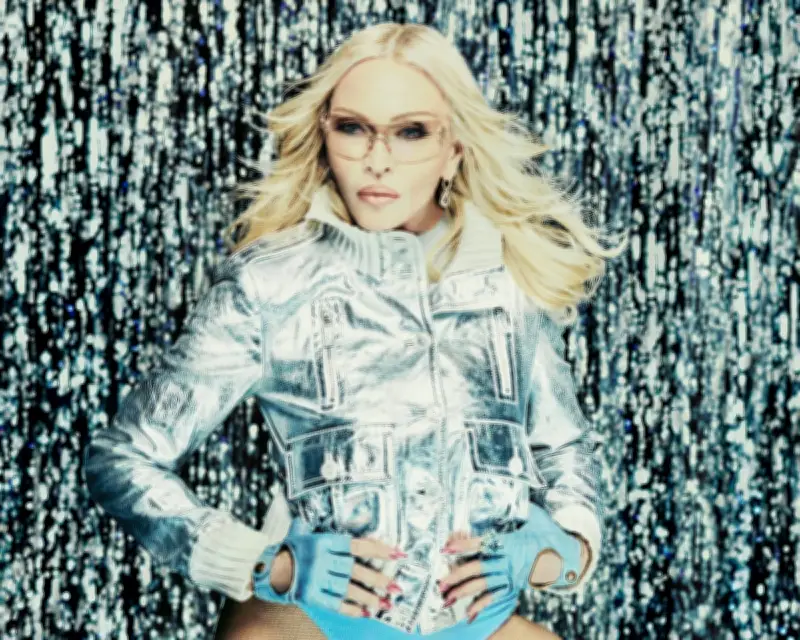
Madonna's new album 'Confessions II' marks her most vital work in two decades, returning to old-school dance music with vivid vignettes of life in 1980s New York. The album, a follow-up to 2005's 'Confessions on a Dance Floor', was inspired by her 2023 Celebration tour and features collaborations with Sabrina Carpenter and her daughter Lourdes.
Background and Inspiration
The official line is that the album is for Madonna herself. 'Confessions II' was inspired by her Celebration tour, which recreated videos for old hits and set the singer thinking about her past. The album is rich with references to her history, including the trip-hop of 'Bedtime Stories', the club-hopping energy of her debut single 'Everybody', and the spiritual tone of 'Ray of Light'. A duet with her daughter Lourdes, 'The Test', serves as an older, wiser sequel to 'Little Star'.
Commercial Context
By common consent, 'Confessions on a Dance Floor' was Madonna's last untrammelled triumph. Every subsequent album sold half of its predecessor: 2019's 'Madame X' shifted half a million copies compared to 'Confessions on a Dance Floor's 10 million. 'Confessions II' seems to implicitly offer the Madonna fans used to love, potentially winning back deserters.

Sound and Influences
The album eschews cutting-edge dance music for tried-and-tested sounds. It features hints of UK garage, EDM, and Euro pop-dance, but primarily draws from old-school influences: 'I Feel So Free' derives from Lil Louis' 'French Kiss', 'Bring Your Love' borrows from Inner City's 'Good Life', and an acid line erupts in 'Love Without Words'. The downtempo tracks carry a 90s Mo' Wax mood with breakbeats, misty atmospherics, and spoken word from Belgian rapper Stromae.
Lyrical Content
Madonna feels comfortable enough to be vulnerable, with reflective, brittle, and regretful moods. Vignettes of her life in early 80s New York are fantastic: 'Danceteria' namechecks artists Jean-Michel Basquiat and Keith Haring, and quotes Lou Reed's 'Walk on the Wild Side'. 'LES Girl' remembers a guitar-playing bohemian ex. The most affecting song might be 'Fragile', an acoustic guitar-heavy eulogy to her late brother Christopher: “we shared a fragile bond … don’t forget about me, don’t forget to be happy.” 'The Test' is filled with maternal remorse: “You didn’t ask for all the flashing lights.”
Critique
The album is nearly 10 minutes longer than the original and could lose a couple of less distinguished house tracks like 'Love Sensation' and 'School'. It lacks an undeniable pop banger like 'Hung Up', although 'Danceteria's bright-hued disco house comes close. However, it's unequivocally Madonna's best album since 'Confessions on a Dance Floor', likely enough for fans and possibly beckoning back apostates.