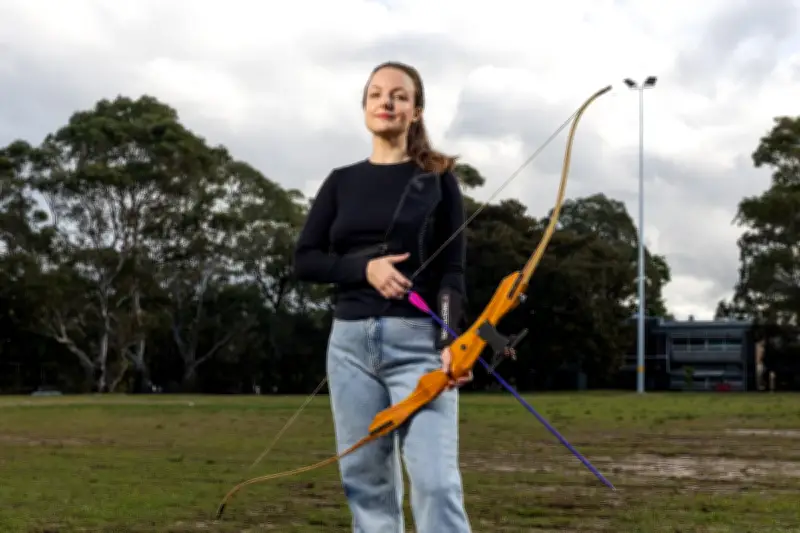
I never thought I would be the type to take up archery. It seemed like a sport for medieval knights or Olympic athletes, not a middle-aged journalist with a tendency to spill coffee. But there I was, standing on a field in Sydney's inner west, a recurve bow in my hands, feeling utterly out of my depth.
The First Arrow
My instructor, a calm woman named Sarah who had competed nationally, handed me an arrow. 'Nock it, draw, anchor, aim, release,' she said, as if reciting a mantra. I fumbled, the arrow slipping from the rest. When I finally managed to draw the string back, my arms trembled. The bow felt like it weighed a ton. I released, and the arrow sailed wide, thudding into the grass a few metres from the target. Sarah smiled. 'That's a start.'
According to Archery Australia, participation in recreational archery has grown by 15% over the past five years, with many clubs reporting waiting lists for beginner courses. 'People are looking for activities that require focus and discipline,' says Sarah. 'Archery gives you that, plus a sense of accomplishment when you hit the target.'

Finding Your Stance
The first lesson was all about stance. Feet shoulder-width apart, perpendicular to the target. Hips square. Shoulders relaxed. It felt unnatural, like I was trying to stand in a box. Sarah adjusted my posture, pushing my left shoulder down. 'You're tensing up,' she said. 'Archery is as much about relaxation as it is about strength.'
I learned that the dominant eye plays a crucial role. For right-handed archers, the left eye should be closed when aiming. I discovered I was right-eye dominant, which explained why my arrows kept veering left. Once I switched to aiming with my right eye, the group tightened.
The Draw and Anchor
Drawing the bowstring back to the anchor point—typically the corner of the mouth or the chin—requires consistent form. I struggled with this, often jerking the string back or releasing too early. Sarah taught me to use my back muscles, not just my arms. 'Imagine squeezing a pencil between your shoulder blades,' she said. That mental image helped. After several attempts, I felt the string touch my nose and the corner of my lips. 'Hold it there,' Sarah instructed. 'Breathe, then release.'
The release should be a surprise, not a conscious action. I found this counterintuitive. My first few releases were flinches, sending arrows into the dirt. But gradually, I learned to let the string slip from my fingers, letting the bow do the work.
Hitting the Target
By the end of the first session, I had managed to hit the target—a large foam boss—three times out of ten. It wasn't the bullseye, but it was progress. Sarah said that most beginners take about six sessions to consistently hit the target. 'The key is repetition and muscle memory,' she explained. 'Don't focus on the result; focus on the process.'
I left the field with sore arms and a new respect for archers. It's a sport that demands patience, precision, and a willingness to fail. But when that arrow finally sticks in the target, the feeling is worth it. As Sarah put it, 'Archery teaches you that success comes from small, consistent efforts.'
Tips for Beginners
- Start with a lower draw weight bow (20-25 pounds for adults) to build strength and form.
- Invest in a good arm guard and finger tab to protect against string slap.
- Practice at a range with an instructor to avoid developing bad habits.
- Focus on your breathing—exhale on the release.
- Don't compare yourself to others; archery is a personal journey.
My rookie era is far from over. I still have more arrows in the grass than in the gold. But I've learned that the joy of archery isn't just in hitting the target—it's in the quiet concentration, the rhythmic draw, and the flight of the arrow. And that's a lesson worth learning.