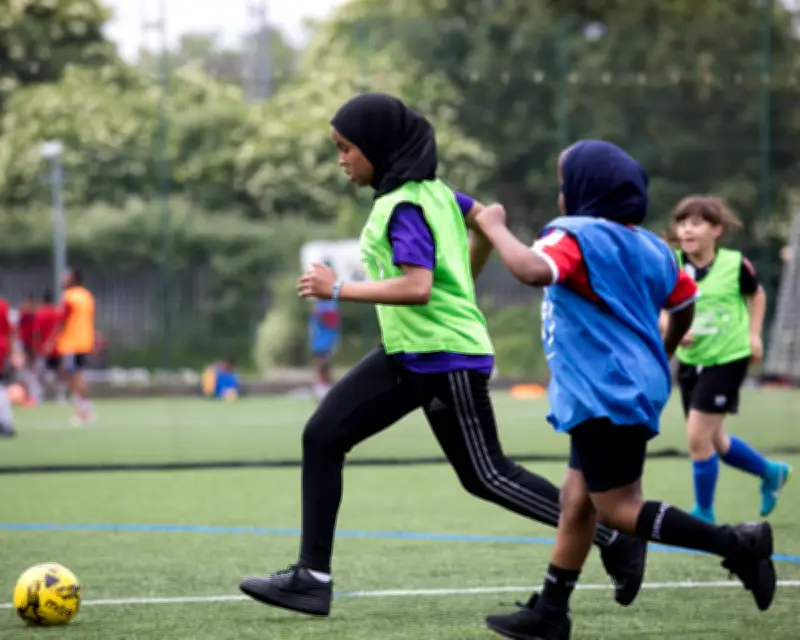
New research has uncovered a persistent gender gap in youth sport participation, with girls significantly less likely than boys to meet recommended physical activity levels. The study, conducted by the Australian Institute of Sport, found that only 45% of girls aged 5-17 achieved the recommended 60 minutes of daily physical activity, compared to 62% of boys.
Key Findings
The research, based on surveys of over 10,000 children and their parents, highlights disparities across age groups. The gap widens as children get older: among 12-17 year olds, just 38% of girls met the guidelines versus 55% of boys. Dr. Sarah Thompson, lead researcher, said, "We are seeing a concerning drop-off in girls' participation as they enter adolescence, often due to social pressures and lack of suitable opportunities."
Barriers to Participation
The study identified several barriers for girls, including lack of confidence, limited access to female-only programs, and societal stereotypes. Only 30% of girls reported feeling confident in their sporting abilities, compared to 48% of boys. Additionally, 40% of girls said they would prefer single-sex sports settings, but such options are often unavailable.

Impact on Health
The participation gap has significant health implications. The research found that girls who are less active are more likely to report poor mental health, with 25% of inactive girls experiencing high levels of anxiety, versus 15% of active girls. "Physical activity is crucial for both physical and mental well-being, and we need to address these disparities urgently," said Dr. Thompson.
Recommendations
The report recommends increased funding for female-specific programs, better training for coaches to support girls, and more visible female role models in sport. It also calls for schools to provide equal opportunities and for parents to encourage girls to participate from an early age.