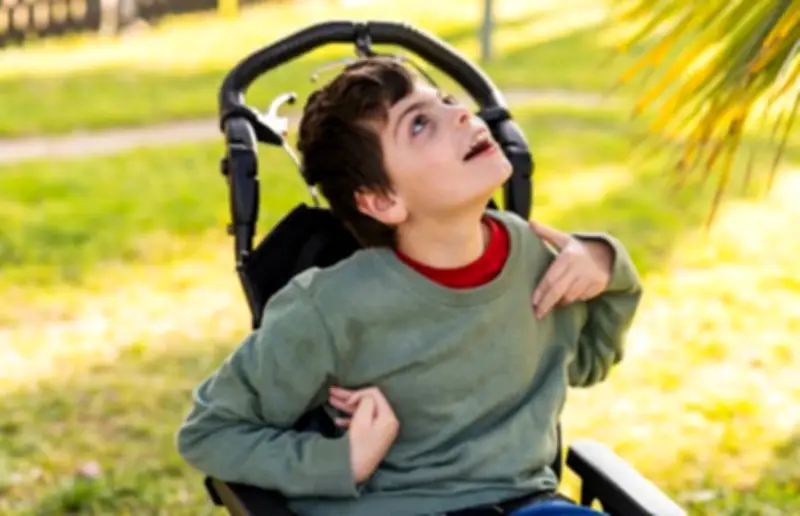
Exoskeletons for people with cerebral palsy are becoming a reality, but significant questions remain, according to new research.
What Is Cerebral Palsy?
Cerebral palsy is the most common childhood-onset disability, affecting about 50 million people worldwide. It impacts movement, causing mobility problems, muscle stiffness or weakness, and abnormal movements. Many individuals also face neurological issues like epilepsy or visual impairment.
Physiotherapy helps people with cerebral palsy across their lifespan through treadmill training, strength training, and task-specific training. Now, exoskeletons—wearable devices that support posture and movement—are emerging as a promising tool.

Exoskeletons in Rehabilitation
Lower limb robotic exoskeletons have been a focus in neurological rehab for two decades, mainly for stroke and spinal cord injury. But their potential for cerebral palsy is less explored.
Our systematic review, published in Disability and Rehabilitation Journal, examined the effects of wearable overground exoskeleton-assisted therapy on physical, functional, quality of life, and participatory outcomes for people with cerebral palsy.
From Lab to Everyday Life
The first walking exoskeletons appeared in the 1960s but were clunky. Today, they are more streamlined, with several approved by Australia's Therapeutic Goods Administration. Three main categories exist: treadmill-based devices (e.g., Lokomat), end-effectors (e.g., Innowalk), and overground devices (e.g., Atlas 2030). Overground exoskeletons offer more freedom and potential for daily use.
What the Evidence Says
An advisory committee for Australia's NDIS is reviewing robot-assisted gait training. Our review included 21 studies with 241 participants (average age nine). We found that robotic rehabilitation outperformed conventional therapies in four areas:
- Walking speed
- Walking endurance
- Balance
- High-level mobility (running and jumping)
For other outcomes, data were insufficient or inconsistent. Skin irritation occurred but didn't prevent use. User experiences were generally positive, though most studies didn't evaluate them.
Remaining Unknowns
Few studies assessed long-term benefits after therapy stopped. Results could not be categorized by cerebral palsy type, severity, or age. Only seven adult participants were included, so findings apply to children, not adults. No studies compared exoskeletons to bodyweight-supported treadmill training, the closest alternative.
Access and Costs in Australia
Overground exoskeleton therapy is becoming more available, with NDIS funding possible for sessions with trained clinicians. However, no scheme funds personal ownership of an exoskeleton. Families often want to try new therapies, but it's important to avoid wasting money on inappropriate options.
Our review supports overground exoskeletons for improving walking speed, endurance, balance, and high-level mobility. Clinicians should provide evidence-based advice, set clear goals, and proceed with caution.