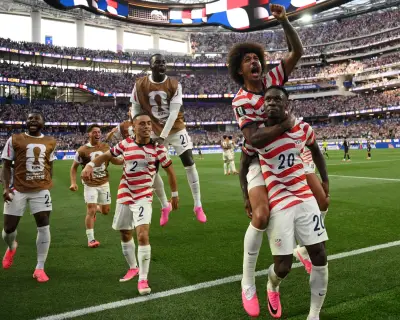
As the World Cup captivates global audiences, an unexpected bond between classical music and football emerges, transcending time and culture. From the iconic tenors to symphonic tributes, the beautiful game has long been accompanied by classical melodies that amplify its drama and passion.
A History of Musical Tributes on the Pitch
Classical composers have often drawn inspiration from football. In 1898, Edward Elgar composed a chant for his beloved Wolverhampton Wanderers, titled "He Banged the Leather for Goal!"—a harmonically dense tune based on a match report. Dmitri Shostakovich, a devoted fan of Zenit St Petersburg, saw his music celebrated in 2016 when the club marked its 90th anniversary with a Shostakovich-themed pre-match show, inspiring a 4-2 victory over Spartak Moscow. His ballet The Golden Age (1930) features a Football March that captures the chaotic energy of a match, complete with referee whistles.
The 1990 World Cup: Pavarotti and Nessun Dorma
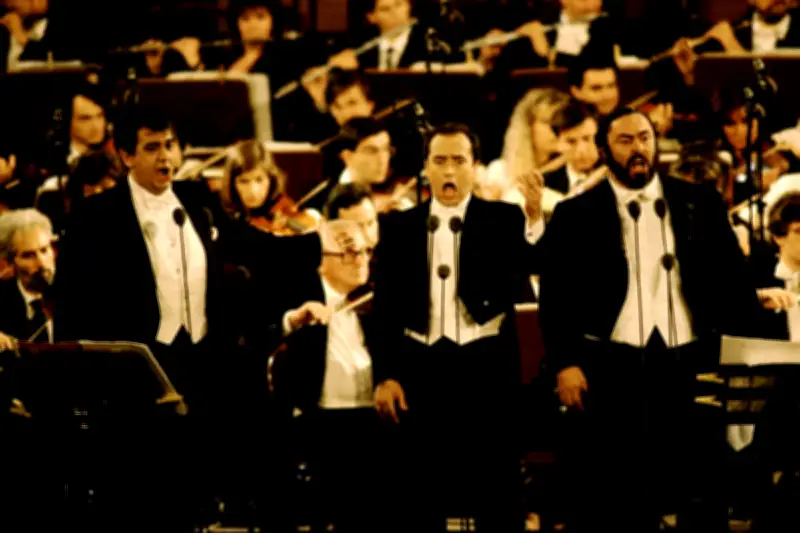
The pinnacle of this fusion came in 1990 when the BBC used Luciano Pavarotti's rendition of Nessun Dorma from Puccini's Turandot as its World Cup theme. The aria's famous final high B, extended dramatically by Pavarotti and the Three Tenors, became an anthem of triumph. Germany's victory over Argentina in the final echoed the aria's theme of victory against odds.

Modern Connections: From White Stripes to Bruckner
Today, the White Stripes' "Seven Nation Army" unites fans worldwide, with its riff inspired by Bruckner's Fifth Symphony. Though the story of Jack White consciously borrowing from Bruckner is apocryphal, the musical link remains potent. Even as broadcasters abandon classical themes for modern World Cups, the legacy endures in stadium chants and fan culture.
Listening Recommendation
This week, Tom recommends {oh!}Orkiestra's recording of Mozart's 29th Symphony and Janiewicz's Fifth Violin Concerto, highlighting the collective improvisation and freedom in their performance.