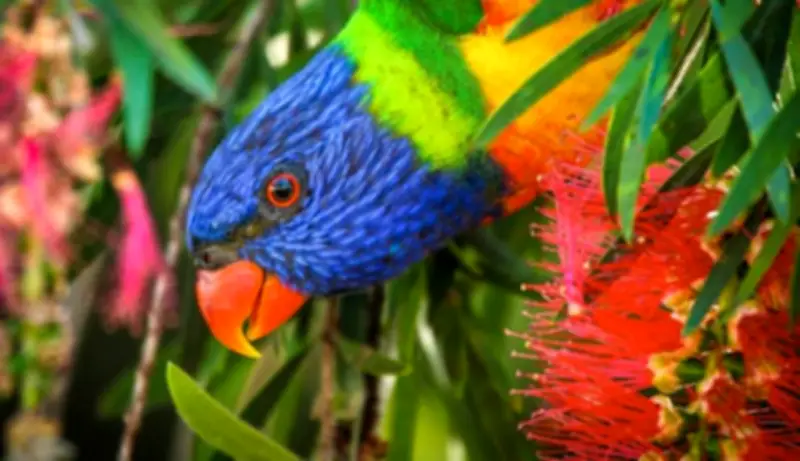
A remarkable 40-year birdwatching effort has documented the changing bird life of a suburban park in Melbourne, with one observer making over 800 visits to Birrarung Park since 1985. The study, published recently, highlights the value of long-term citizen science in tracking gradual environmental shifts often overshadowed by extreme events like bushfires and floods.
A Park with Deep Roots
Birrarung Park, 33 hectares on the Yarra River floodplain, was established in 1984 on cleared farmland. Its name comes from the Wurundjeri people's word for the Yarra River, meaning 'a place of mists and shadows.' Over the years, extensive tree and shrub planting transformed it into a mix of woodland and open grass, with two ephemeral wetlands attracting waterbirds.
153 Species Recorded
Between 1985 and 2024, Mike Connor recorded 153 bird species, including 11 introduced and 35 wetland-associated species. Core residents like welcome swallows, Australian magpies, red wattlebirds, and Pacific black ducks persisted throughout. However, over a third of species (54) were rare visitors, seen on less than 1% of surveys.

Five Key Changes
The study identified five major shifts in the bird community:
- Revegetation effects: Forest birds like brown thornbills and grey fantails increased from 1985 to 2000 as trees matured, then declined.
- New colonisers: Dry-country species (long-billed corella, crested pigeon) expanded into Melbourne, while mountain species (crimson rosella, king parrot) and rainbow lorikeets became common.
- Declines and disappearances: Species like crested shrike-tit and white-plumed honeyeater vanished; willie wagtails and rufous whistlers may follow.
- Noisy miner impact: This aggressive native bird arrived in 1998 and dominated by 2004, coinciding with a sharp drop in small birds like thornbills and pardalotes.
- Wetland fluctuations: Waterbird numbers varied with rainfall, peaking when the larger wetland held water.
Lessons for Conservation
Long-term observations like these reveal the dynamic nature of bird communities, which rely on suitable habitat. Urban green spaces, especially those connected along rivers, are vital for conservation, offering food and movement corridors. Birdwatching, the authors note, provides joy, excitement, and a chance to contribute to science.