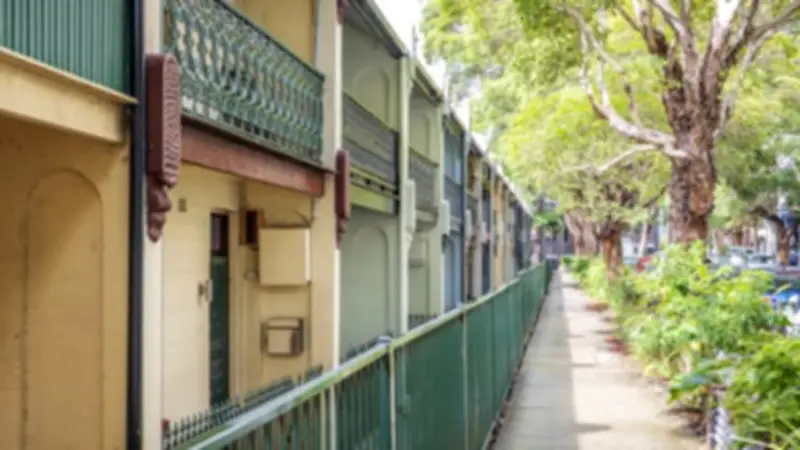
Millions of Australians are living in what amounts to a glorified tent during winter, as new research exposes a massive energy performance gap between older and newer homes. Homes built before 2004 average just 2.1 stars on the national Home Energy Rating scheme (NatHERS), while new homes must meet a 7-star standard. This means older homes require 4–6 times more energy to maintain a comfortable temperature, driving up energy bills and compromising resident wellbeing.
Research Scope and Findings
The study, conducted by researchers at the University of Technology Sydney (UTS) and the NSW Department of Climate Change, Energy, the Environment and Water (DCCEEW), assessed nearly 1,100 older homes across New South Wales between July 2023 and June 2024. The sample included single dwellings and townhouses built before 2004, excluding apartments. Each home was evaluated using the Residential Efficiency Scorecard and converted to a NatHERS star rating.
The results are stark: across NSW, about 850,000 homes would receive zero or 1 star for energy performance. Almost half (46%) of assessed homes received the worst rating for cold weather comfort, while 37% were rated very difficult to keep cool in summer. Older homes make up 61% of the state's housing stock—over two million homes.

Why Older Homes Perform Poorly
The introduction of minimum energy standards in 2004 has driven significant improvements in new homes. Typically, newer NSW homes have double the ceiling insulation, insulation in external walls and often under floors, and well-sealed windows and doors. In contrast, older homes lack these features. The research found only 22% of doors and 40% of windows were sealed. Additionally, 72% of fixed heating and 60% of cooling appliances in older homes had medium or below efficiency ratings.
Heating and cooling account for a large share of home energy use: 38% for heating air, 29% for heating water, and 16% for cooling air. A 2-star home uses 4–6 times the energy of a 7-star home to stay comfortable.
Renters Hit Hardest
The research reveals renters face even worse conditions. Older private rental homes had significantly lower energy ratings (1.6 NatHERS stars) compared to owner-occupied homes (2.1 stars). Rental properties had lower levels of ceiling and wall insulation, and less access to heating and cooling. Nearly a quarter of rentals (24%) had no air conditioners. Rental homes were more than twice as likely to rely on expensive electric radiators for winter heating (16% versus 6–7% for owner-occupied).
Upgrades Can Make a Difference
The study outlines several cost-effective upgrades to improve older homes. Low-cost measures include sealing gaps around windows, under doors, and in walls to prevent draughts, and switching to water-efficient shower heads. Mid-range upgrades include adding insulation to ceilings, walls, and floors, improving internal window coverings, replacing inefficient appliances with energy-efficient reverse cycle air conditioners, and switching to efficient heat pumps for hot water. High-cost options include installing double or triple glazed windows and external blinds or shading. Combining these improvements can cut energy consumption by up to 39%.
Government Response
The research has informed the NSW government's new Home Energy Saver scheme, which offers zero-interest loans for homeowners to upgrade energy performance. In the future, it will provide discounts of up to A$4,000 for low-income owners and renters. The government also plans to introduce disclosure of home energy ratings when homes are sold or rented, giving buyers and tenants more information about energy costs. According to the researchers, "It's too early to say whether these schemes will do what policymakers hope. But our research shows the problem is real—and it won't fix itself."