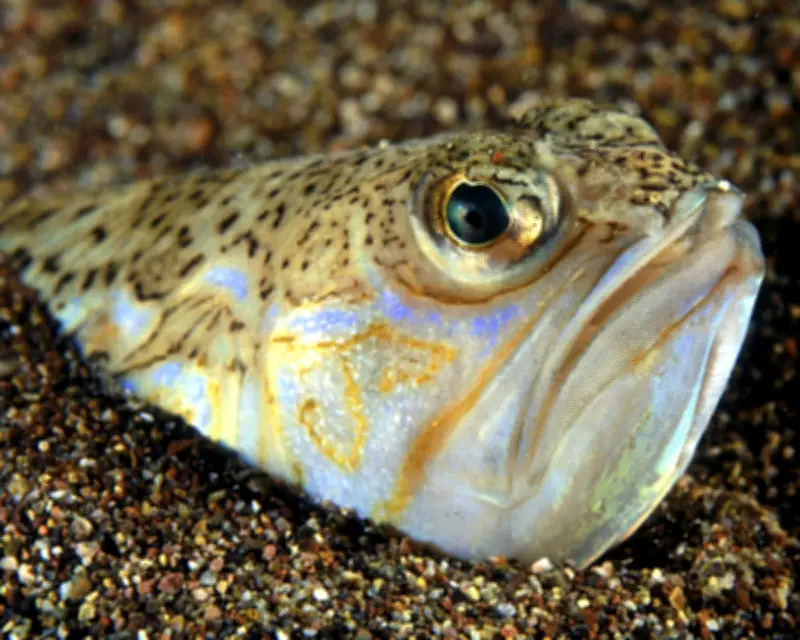
A group of young campers from Manchester had a close call on the Yorkshire coast when one of them encountered a venomous weever fish. The boy, exploring the beach as children often do, discovered a small fish hiding in the sand and proudly carried it around the camp in a bucket. Upon inspection, the fish was identified as a lesser weever (Echiichthys vipera), a poisonous species known for its painful sting. Fortunately, the captured fish was the larger but less venomous variety, and only one boy suffered a minor prick from its dorsal fin or gill spike, resulting in slight swelling but no serious injury.
Dangers of Weever Fish
Weever fish are a notorious hazard for shrimpers and beachgoers. Their habit of burrowing in sand often leaves them exposed at low tide, especially near the mouths of the Tees and Tyne rivers, where they are common. A sting from these fish can cause rapid blood poisoning and intense pain. However, the camp had a doctor on hand to treat any injuries, ensuring that the worst outcome would be a few hours of discomfort.
A Lesson in Respect for Wildlife
The incident serves as a reminder that wild creatures should not be disturbed. The fish cannot be blamed for defending itself when molested. As the original 1906 article notes, a sting or two might teach young explorers to leave living things alone. It is a pity that harmless animals like birds and frogs cannot retaliate in kind, as they often suffer from the curiosity of camping boys. This historical account underscores the enduring importance of respecting wildlife and avoiding unnecessary contact with potentially dangerous creatures.