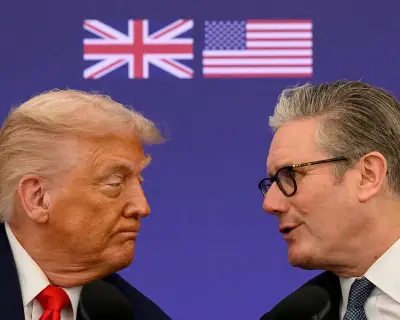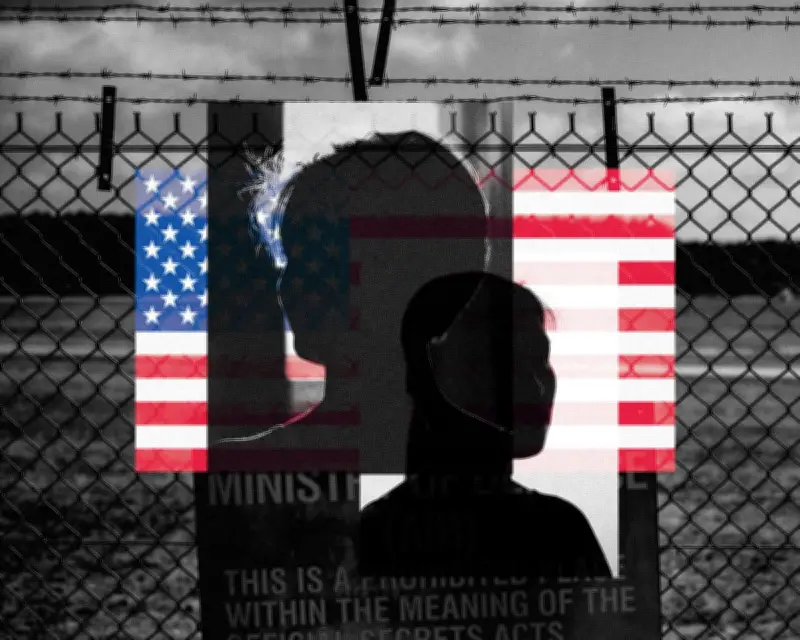
The case of Sarah Steele has laid bare the systemic failures of the US military court system operating on UK soil, where victims' rights are routinely undermined, according to Labour MP Jess Phillips. Steele, a British woman, alleged she was raped by a US serviceman stationed in the UK, but the case was handled by a US military court, leaving her feeling sidelined and without proper support.
Flaws in the US Military Justice System
The US military justice system has long been criticized for its lack of transparency and accountability, particularly in cases involving sexual assault. Under the Uniform Code of Military Justice (UCMJ), commanders have significant discretion in deciding whether to prosecute cases, which can lead to conflicts of interest and underreporting. In Steele's case, the alleged perpetrator was acquitted, and she claims the process left her retraumatized.
According to Phillips, the system fails victims by prioritizing military discipline over justice. She argues that US military courts in the UK operate in a legal vacuum, with no oversight from British authorities. This leaves victims like Steele without recourse to the UK's victim support mechanisms, which are designed to ensure fair treatment and access to justice.

Impact on Victims
The impact on victims is profound. Steele described feeling like a pawn in a system that was not designed to protect her. She said, "I felt like I was on trial, not him." This sentiment is echoed by many who have experienced the US military court system. The lack of victim advocates, the inability to cross-examine witnesses, and the closed nature of proceedings all contribute to a sense of injustice.
Phillips has called for a review of the Status of Forces Agreement (SOFA) between the US and the UK, which governs the legal status of US forces in Britain. She argues that the agreement should be amended to allow UK authorities to prosecute serious crimes committed by US servicemen on British soil, or at least to ensure that victims have access to UK victim support services.
Political and Legal Ramifications
The case has sparked debate in Parliament, with several MPs expressing concern about the lack of accountability. Phillips has tabled a motion calling for the government to renegotiate the SOFA to prioritize victims' rights. The Ministry of Defence has stated that it takes the issue seriously but has not committed to any changes.
Legal experts note that the US military court system is not bound by the same rules as civilian courts, and that victims have limited rights to participate in proceedings. This is in stark contrast to the UK's victim-focused approach, which includes the Victims' Code and the right to make a Victim Personal Statement.
Conclusion
The Steele case highlights a significant gap in the protection of victims' rights when US servicemen are involved. As Phillips argues, the UK must act to ensure that no victim is left without justice or support simply because the perpetrator is a member of the US military. The current system, she says, is a betrayal of the principles of justice and fairness that the UK holds dear.