A new political commentary suggests that the time has come to revisit the Grateful Dead, not just as a musical phenomenon but as a cultural force with enduring relevance to contemporary politics. The article, published on June 23, 2026, argues that the band's ethos of community, improvisation, and anti-establishment sentiment holds lessons for bridging political divides in an era of heightened polarization.
The Grateful Dead's Cultural Legacy
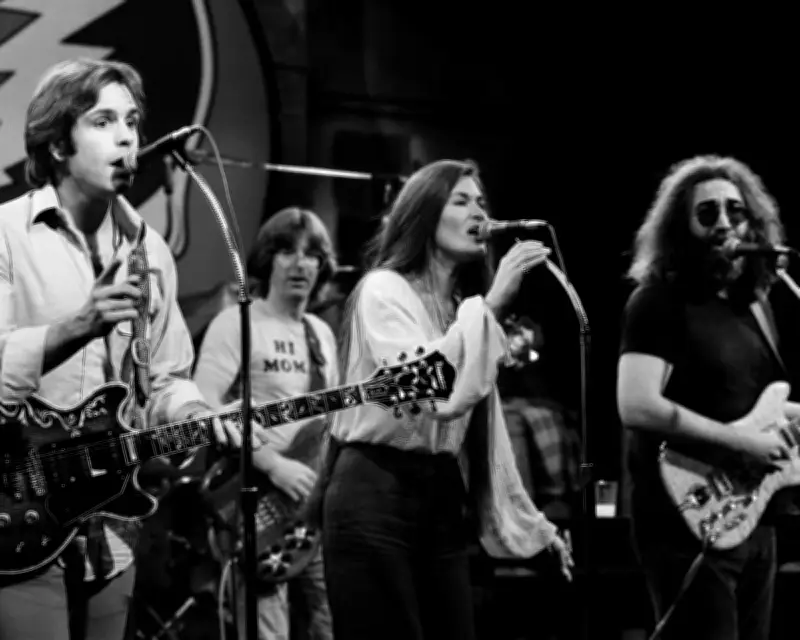
The Grateful Dead, active from 1965 to 1995, cultivated a dedicated fan base known as Deadheads, who embodied a countercultural lifestyle centered on peace, creativity, and collective experience. The band's music, blending rock, folk, blues, and psychedelia, became a soundtrack for a generation seeking alternatives to mainstream society. According to the article, their approach to live performances—emphasizing spontaneity and audience participation—mirrors the kind of grassroots engagement needed in modern democracy.
Political Lessons from the Dead
The commentary draws parallels between the Dead's decentralized network of fans and the potential for organic political movements. It notes that the band's rejection of corporate structures and embrace of communal values can inspire new forms of political organization. "The Grateful Dead showed that a community built on trust and shared experience can thrive without rigid hierarchies," the author writes. This model, the article suggests, could inform efforts to rebuild trust in political institutions.

Relevance to Today's Divisions
In an era marked by deep partisan rifts, the Dead's emphasis on inclusivity and acceptance offers a counterpoint. The article points out that Deadheads often transcended political labels, united by a love for the music and the lifestyle. This ability to find common ground through culture, rather than ideology, is presented as a valuable lesson. "We need more spaces where people can connect without the baggage of political tribalism," the article states.
Critics and Counterarguments
Not everyone agrees with this nostalgic reappraisal. Critics argue that romanticizing the 1960s counterculture overlooks its excesses and failures. However, the article contends that the Grateful Dead's legacy is more nuanced than stereotypes suggest. By revisiting their story, we might uncover insights applicable to current challenges, from community building to environmental activism.
Conclusion
The call to revisit the Grateful Dead is not merely about music appreciation but about engaging with a historical example of alternative social organization. As the article concludes, "In a time when politics feels stuck, looking back at a band that thrived on movement and change might just help us move forward."