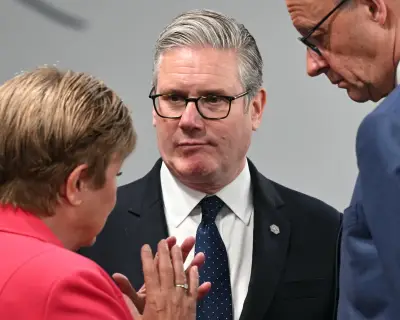
Keir Starmer’s Labour Party is grappling with a complex economic landscape as fresh figures show the UK economy expanding at a tepid pace while unemployment edges upward. The Office for National Statistics reported that gross domestic product grew by 0.1% in the first quarter of 2026, falling short of the 0.3% forecast by economists. Meanwhile, the unemployment rate rose to 4.5% in April, up from 4.3% in March, marking the highest level since Labour took office.
Growth Stalls Amid Global Headwinds
The sluggish growth figures underscore the challenges facing Chancellor Rachel Reeves as she prepares her autumn budget. The ONS attributed the weak performance to a contraction in manufacturing output, which fell by 1.2% in March, and a slowdown in the services sector. “The economy is barely growing, and we are seeing clear signs that the recovery is losing momentum,” said Paul Dales, chief UK economist at Capital Economics. “This puts pressure on the government to deliver a credible plan for boosting investment and productivity.”
Labour had promised to deliver the highest sustained growth in the G7, but the latest data suggests that target is slipping further out of reach. The party’s flagship industrial strategy, aimed at fostering green energy and technology sectors, has yet to translate into tangible gains. Critics argue that the government’s focus on fiscal discipline is stifling growth, while Labour insiders point to lingering effects of Brexit and global inflationary pressures.

Unemployment Rises, Raising Welfare Concerns
The uptick in unemployment has sparked debate over the government’s welfare reforms. The number of people claiming unemployment benefits increased by 28,000 in April, bringing the total to 1.6 million. Youth unemployment, in particular, has become a worry, with the rate for 16- to 24-year-olds climbing to 12.1%. “Every jobless young person is a missed opportunity and a cost to the public purse,” said Kate Bell, head of employment policy at the Trades Union Congress. “The government must invest in skills training and job creation schemes to prevent long-term scarring.”
The rise in unemployment has also reignited criticisms of Labour’s decision to tighten eligibility for Universal Credit, which some claimants say has made it harder to access support. The government defends the changes as necessary to encourage work, but the ONS data shows that job vacancies have fallen for the fourth consecutive month, suggesting weakening labour demand.
Business Confidence Wavers
Business sentiment, which had improved after Labour’s election victory, is now showing signs of strain. The latest Lloyds Bank Business Barometer, released this week, showed a drop in confidence among firms, with the index falling from 42% in March to 38% in April. Companies cited uncertainty over tax policy, regulation, and the broader economic outlook as key concerns. “The government needs to provide clarity and stability to unlock investment,” said Rain Newton-Smith, chief executive of the Confederation of British Industry. “Without it, the risk of a prolonged period of low growth remains high.”
Labour has responded by highlighting its long-term plans, including a new National Wealth Fund and reforms to planning rules to accelerate infrastructure projects. Prime Minister Starmer, speaking at a business summit in Manchester, insisted that “the foundations for a stronger economy are being laid.” He added, “We are making the tough decisions now to secure a more prosperous future, but we need time for these policies to take effect.”
Political Fallout and Public Perception
The economic data is likely to fuel opposition attacks, with the Conservatives accusing Labour of mismanaging the economy. Shadow chancellor Jeremy Hunt said, “Labour inherited a growing economy and have managed to stall it. They have no plan for growth, only higher taxes and more red tape.” Meanwhile, the Liberal Democrats have called for an emergency budget to address the rising unemployment.

Public opinion polls show a narrow lead for Labour, but economic concerns are weighing on the party’s approval ratings. A YouGov survey conducted last week found that 52% of voters now believe the economy will get worse over the next year, up from 45% in March. The government’s approval rating on the economy stands at minus 18 points, according to Ipsos.
As the summer recess approaches, Labour faces a critical test: convincing voters and markets that its economic strategy can deliver growth and jobs. The next set of GDP and employment figures, due in August, will be closely watched for signs of whether the current weakness is a temporary blip or the start of a more worrying trend.