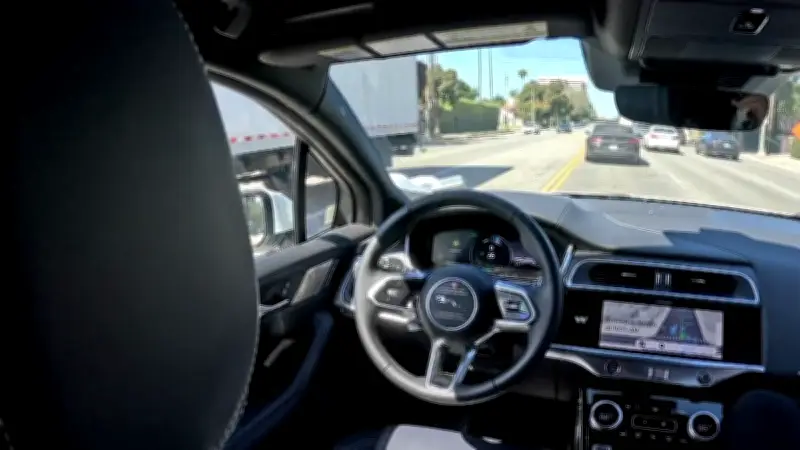
Self-driving cars are already navigating Australian roads, yet the nation's road rules remain tethered to traditional driving practices, sparking urgent demands for government intervention. The Royal Automobile Club of Victoria (RACV) is pressing all levels of government to modernise legislation to safeguard drivers as automated vehicles become more prevalent.
Potential safety revolution
Early studies suggest that autonomous driving technology could dramatically enhance road safety. More than 90 percent of current car accidents stem from human error, and research indicates automated systems could be at least seven times more reliable than human drivers. "This really could be the next quantum leap for road safety in Australia," said James Williams of the RACV.
Outdated regulations
Current regulations still mandate that drivers keep their hands on the wheel and remain vigilant at all times. Road rules require human involvement in various scenarios, such as assisting after an accident or using hand signals if indicators fail. "You're expected in the road rules to assist in the case of an accident," Williams noted. "You're expected to be able to use your hand to indicate if your indicator fails."

Federal and state action
The federal government has committed to establishing a national regulator for the industry, but this is unlikely to occur before next year. The RACV is calling for an accelerated timeline. States and territories are also facing mounting pressure to update their laws. "We do need to make sure that our laws keep pace with technology," government spokesperson Harriet Shing said.
Licensing changes ahead
Licensing reforms are on the horizon, with predictions that future driving tests will shift focus from practical skills to understanding car systems and software. Robo-taxis are also expected to become common as the technology continues to advance rapidly.