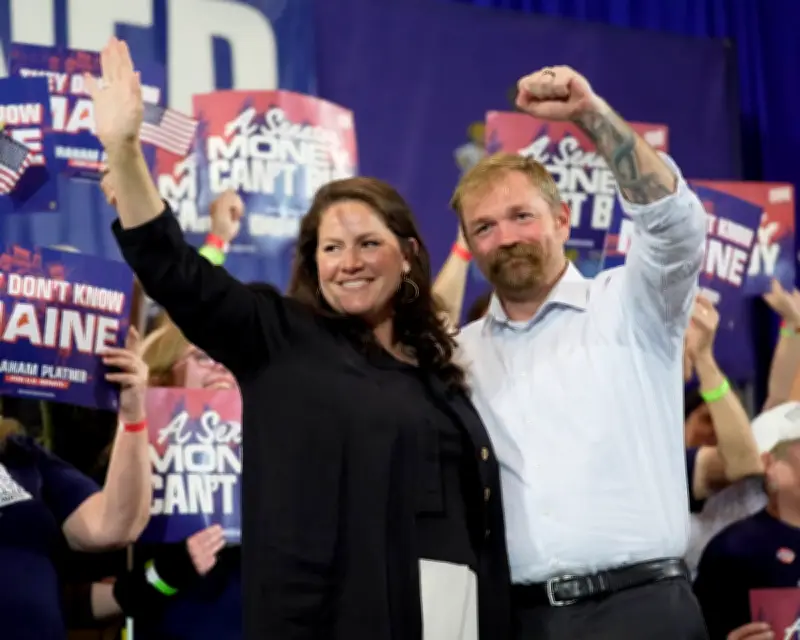
Graham Platner's recent victory in Maine has sent ripples through the political landscape, offering Democrats a potential roadmap for the upcoming midterm elections. The win, which defied expectations in a traditionally competitive district, underscores the power of grassroots organizing and targeted messaging on local issues.
Key Takeaways from Platner's Campaign
Platner's campaign focused heavily on economic concerns, healthcare access, and education funding—issues that resonated with swing voters and independents. By emphasizing these bread-and-butter topics over national partisan battles, Platner was able to build a broad coalition.
Grassroots Mobilization
One of the standout features of Platner's campaign was its reliance on volunteer-driven outreach. The campaign organized over 5,000 door-knocking shifts and made more than 100,000 phone calls, effectively turning out supporters in key precincts.

Messaging Discipline
Platner's team maintained a disciplined focus on local issues, avoiding the national political fray. This strategy helped the candidate connect with voters who felt alienated by partisan gridlock in Washington.
Implications for the Midterms
Political analysts suggest that Platner's approach could serve as a model for Democratic candidates in similar districts across the country. By prioritizing local concerns and investing in ground-level organizing, Democrats may be able to offset national headwinds.
However, some caution that Platner's success may be difficult to replicate. His personal biography—a veteran and small business owner—lent him credibility that not all candidates possess. Moreover, Maine's unique political culture, with its independent streak, may not translate directly to other states.
Nevertheless, the Platner playbook offers valuable lessons: invest in grassroots infrastructure, stay on message about local issues, and build a coalition that transcends party lines. As the midterms approach, these strategies could prove decisive in key battlegrounds.