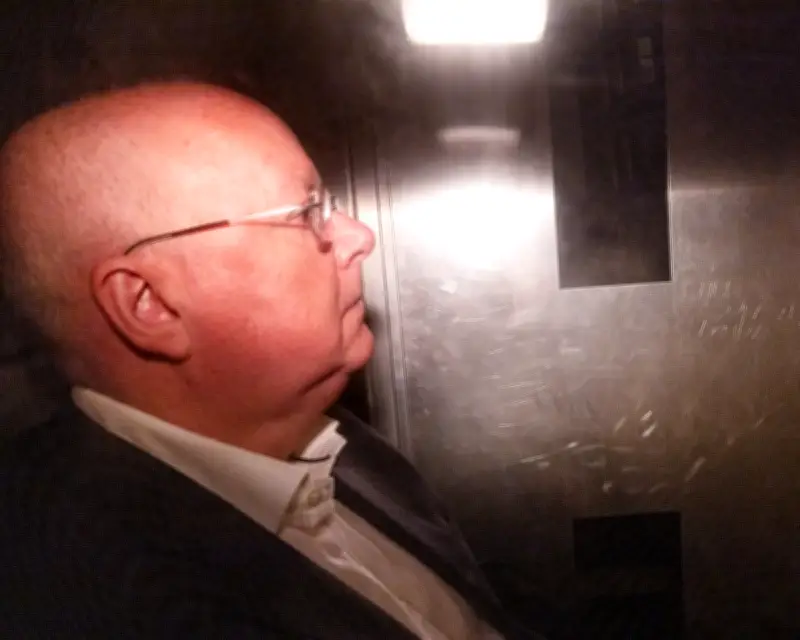
Peter Murrell, the former chief executive of the Scottish National Party (SNP), has been sentenced to a prison term for embezzling party funds, a case that has sent shockwaves through Scottish politics. The sentencing took place at the Edinburgh High Court on Wednesday, where Murrell was found guilty of diverting more than £600,000 from party accounts for personal use over a period of several years.
Details of the Embezzlement Scheme
According to court documents, Murrell, who served as SNP chief executive from 1999 to 2023, orchestrated a complex scheme to siphon funds intended for party operations. He used the money to finance a lavish lifestyle, including luxury holidays, property purchases, and personal investments. The embezzlement came to light during an internal audit in 2024, which revealed discrepancies in financial records.
Prosecutors argued that Murrell abused his position of trust, exploiting weak oversight mechanisms within the party. The court heard that he created fake invoices and used shell companies to conceal the transactions. The total amount embezzled was calculated at £612,000, with an additional £150,000 in attempted fraud that was thwarted by party officials.

Sentencing and Reaction
Judge Lady Carmichael sentenced Murrell to five years in prison, stating that the crime represented a “gross breach of trust” and had caused significant damage to the SNP’s reputation. “You held a position of immense responsibility and you used it for personal gain,” she said. “The public’s faith in political institutions is undermined by such actions.”
SNP leader John Swinney expressed dismay at the verdict, saying, “This is a sad day for the SNP and for Scottish politics. We have cooperated fully with the investigation and will implement reforms to ensure such a betrayal never happens again.” The party has since introduced stricter financial controls and independent auditing procedures.
Impact on Scottish Politics
The scandal has dealt a blow to the SNP’s credibility, particularly as it campaigns for Scottish independence. Political analysts suggest the case could influence voter trust in the upcoming Holyrood elections. The opposition Scottish Labour Party called for a full inquiry into SNP governance, while the Scottish Conservatives demanded Murrell’s resignation from any party roles.
Murrell’s wife, former First Minister Nicola Sturgeon, has not been implicated in the case, but the scandal has cast a shadow over her legacy. Sturgeon stepped down as First Minister in 2023, citing personal reasons, though the timing has led to speculation about her knowledge of the embezzlement. She has denied any wrongdoing.
Legal and Financial Aftermath
The court also ordered Murrell to repay the stolen funds, with assets including his Edinburgh home seized to cover the debt. He faces additional charges of money laundering, which are still under investigation. The SNP has launched a civil lawsuit to recover further losses.
The case has prompted wider calls for transparency in political party funding across the UK. Electoral Commission officials have indicated they will review regulations to prevent similar abuses. The Scottish Parliament is expected to debate new legislation on party financial governance later this year.