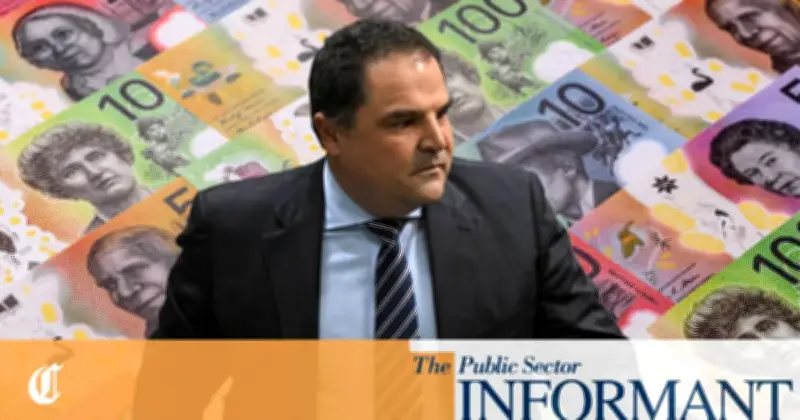
Liberal MP Tony Pasin has raised concerns over the federal government's expenditure on public service pay negotiations, arguing that the Labor Party is spending taxpayers' money recklessly. Speaking in Parliament, Pasin questioned the need for such high spending, particularly as the cost of living continues to rise.
Pasin's Criticism of Labor's Approach
Pasin highlighted that the government has allocated significant funds to negotiate wage increases for public servants, which he claims is excessive. He pointed to the recent budget, which included a $3.5 billion provision for public service pay rises over the next four years. According to Pasin, this spending is not sustainable and fails to address the broader economic challenges facing Australians.
"The government is spending billions on public service pay talks while families are struggling with higher interest rates and inflation," Pasin said. "We need a responsible approach that balances the needs of workers with the fiscal reality of our nation."

Government's Stance on Wage Negotiations
In response, Labor ministers defended the spending, arguing that fair wages for public servants are essential for delivering quality services. Employment Minister Tony Burke stated that the government is committed to ensuring public sector workers receive appropriate compensation, especially given the rising cost of living. He emphasized that the negotiations are part of a broader strategy to attract and retain skilled workers in the public service.
"We are investing in our public service because they are the backbone of our community," Burke said. "Fair wages are not just about the workers; they are about ensuring that Australians get the services they need and deserve."
Impact on the Federal Budget
The debate comes as the federal budget faces increased pressure from various spending commitments. The $3.5 billion allocation for public service wages is part of a larger $15 billion package for public sector improvements. Critics argue that such spending could fuel inflation and lead to higher taxes, while supporters see it as necessary for maintaining a capable public workforce.
Pasin's remarks have sparked a broader discussion about fiscal policy, with some economists suggesting that wage increases should be tied to productivity gains. Others note that public service wages have lagged behind the private sector in recent years, making these negotiations crucial for equity.
Political Reactions
The opposition has seized on the issue, with shadow finance minister Jane Hume calling for a review of all government spending. "Every dollar spent must be justified, especially when we are in a high-inflation environment," Hume said. Meanwhile, the Greens have supported the wage talks, arguing that public servants deserve a pay rise after years of wage suppression.
As the negotiations continue, the government remains firm on its position, with Prime Minister Anthony Albanese backing the talks. "We will stand by our public servants and ensure they are fairly compensated," Albanese stated.