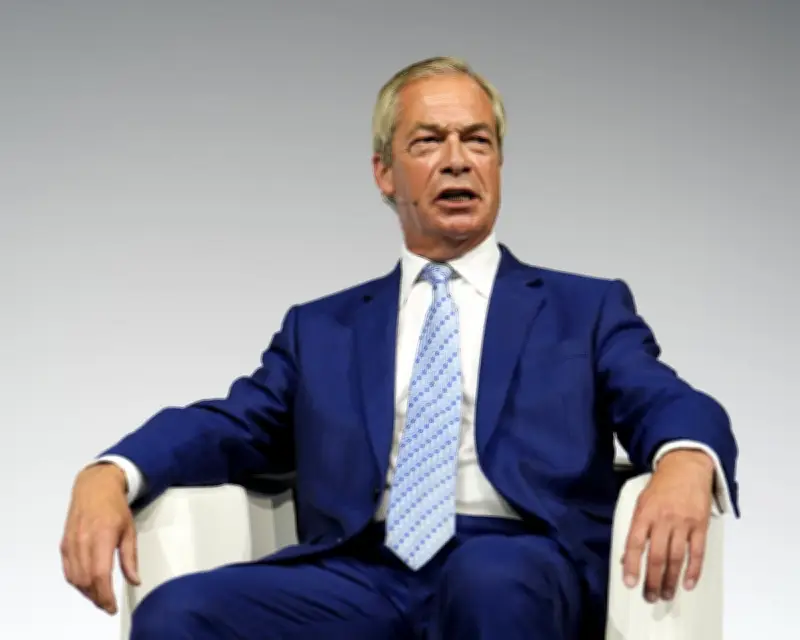
Farage Demands Overhaul of Global Health Governance
Nigel Farage, the prominent British politician and former leader of the UK Independence Party, has issued a strong call for action concerning the World Health Organization (WHO) and the United States board. In a statement released on June 27, 2026, Farage criticized the current structures, arguing that they lack accountability and fail to address pressing global health challenges effectively.
According to Farage, the WHO has become overly bureaucratic and influenced by political interests rather than scientific evidence. He specifically pointed to the organization's handling of recent health crises, suggesting that its response has been slow and inadequate. Farage also took aim at the US board, which oversees American involvement in global health initiatives, claiming it operates without sufficient oversight or public input.
Key Demands and Proposed Reforms
Farage outlined several key demands, including a complete review of the WHO's funding mechanisms and decision-making processes. He called for greater transparency in how the organization allocates resources and sets priorities. Additionally, he urged the US board to undergo a comprehensive audit to ensure that American taxpayer money is being used efficiently and in alignment with national interests.

The politician emphasized the need for member states to have more direct control over the WHO's agenda. He proposed that countries should be able to veto decisions that they deem detrimental to their sovereignty or public health policies. Farage also suggested that the US board should include representatives from a broader range of stakeholders, including healthcare professionals and patient advocacy groups.
Reactions and Implications
Farage's remarks have sparked debate among health policy experts and political commentators. Some support his call for reform, arguing that international health bodies must adapt to modern challenges. Others caution that drastic changes could undermine global cooperation on health issues. The WHO has not yet responded to Farage's specific criticisms, but a spokesperson reiterated the organization's commitment to transparency and evidence-based policies.
This development comes at a time when global health governance is under intense scrutiny. The COVID-19 pandemic exposed weaknesses in international coordination, leading to calls for reform from various quarters. Farage's intervention adds a prominent voice to the debate, potentially influencing public opinion and policy discussions in the UK and beyond.