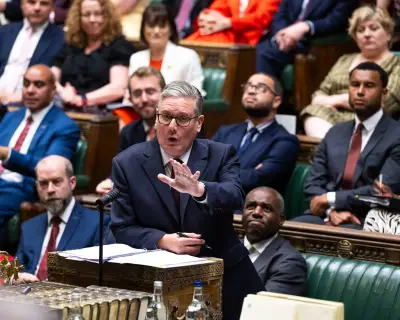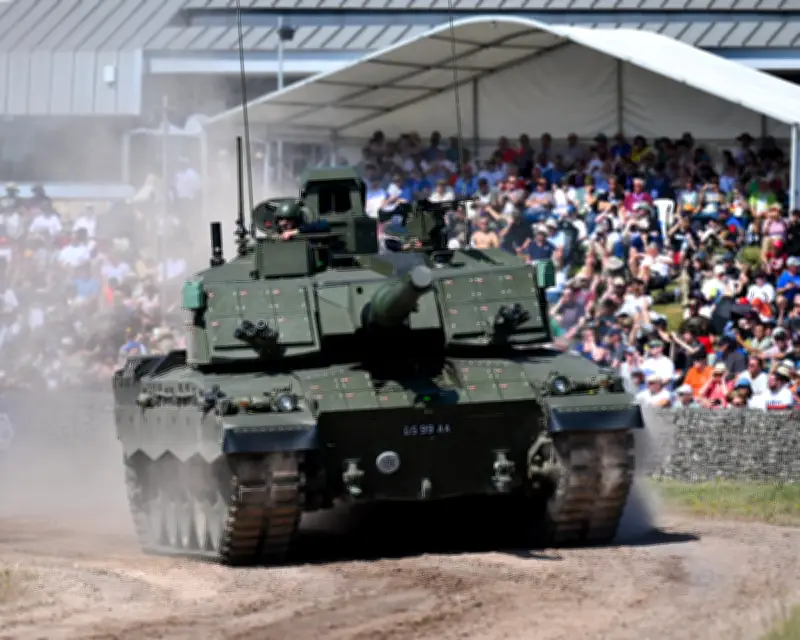
Labour MPs Dan Jarvis and Andy Burnham have called on the UK government to raise defence spending to 2.5% of gross domestic product (GDP), arguing that current commitments are insufficient to address evolving global threats. The pair, both former military officers, made the demand in a joint article for The Guardian, warning that Britain's armed forces are "hollowed out" and in need of urgent investment.
Current Spending Below NATO Target
The UK currently spends around 2.1% of GDP on defence, meeting the NATO guideline of 2% but falling short of the 2.5% threshold that some allies have adopted. Jarvis and Burnham highlighted that Russia's invasion of Ukraine and rising tensions with China necessitate a robust military posture. They argued that the government's integrated review of security and defence must be backed by concrete funding increases.
Labour's Position on Defence
Both MPs are influential voices within the Labour Party, which has traditionally supported strong defence but faces internal divisions over spending priorities. Jarvis, a former Parachute Regiment officer and mayor of South Yorkshire, and Burnham, mayor of Greater Manchester and a former health secretary, stressed that defence investment is not just about hardware but also about supporting veterans and fostering innovation. They called for a cross-party consensus to ensure long-term stability.

According to the MPs, the additional 0.4% of GDP would amount to roughly £10 billion annually, which could be funded by reallocating resources from other departments or through borrowing. They emphasised that failure to act would leave the UK vulnerable and undermine its global standing.
Government Response
A Downing Street spokesperson said the government remains committed to the 2% target and will continue to review defence needs as part of the ongoing security assessment. The spokesperson added that the UK has increased defence spending by £24 billion over the next four years, the largest sustained increase since the Cold War.
However, Jarvis and Burnham dismissed this as insufficient, noting that inflation and new threats have eroded the real value of the increase. They urged the prime minister to match the ambition of allies like Poland, which spends 4% of GDP on defence.
Implications for Labour Policy
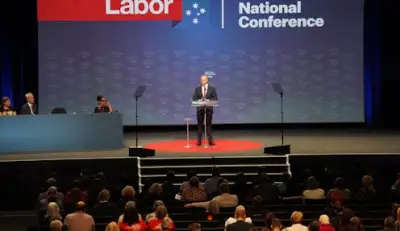
The intervention comes as Labour leader Keir Starmer faces pressure to outline his defence plans ahead of the next general election. Shadow defence secretary John Healey has previously indicated Labour would match the government's spending plans but has not committed to a specific percentage. Jarvis and Burnham's call could shift the internal debate and force a clearer commitment.
Military experts have welcomed the debate, with retired General Sir Richard Shirreff stating that "the UK must urgently reverse the decline in its armed forces or risk being unable to defend itself or its allies." The Royal United Services Institute (RUSI) estimates that meeting the 2.5% target would require an additional £8-10 billion per year.