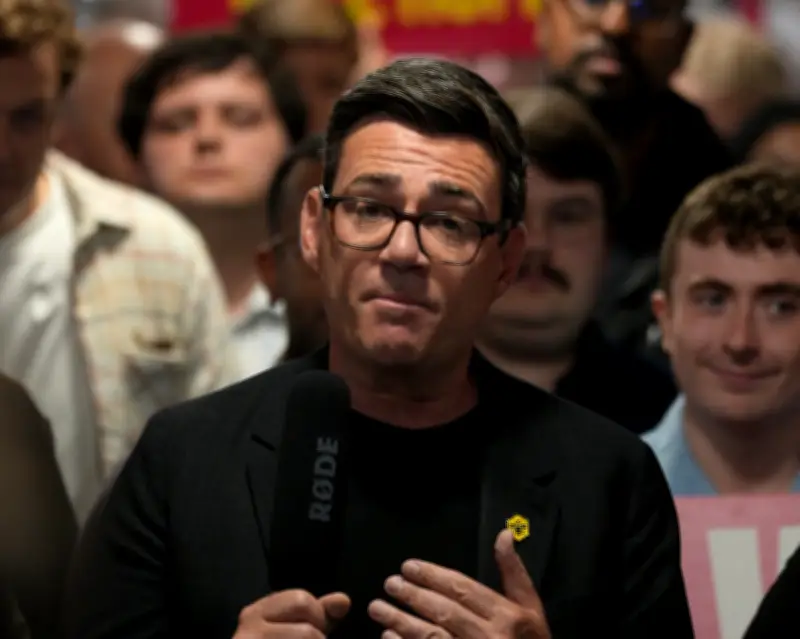
Andy Burnham, the Mayor of Greater Manchester, has long been considered a potential future leader of the Labour Party and even a candidate for Prime Minister. But how quickly could he realistically make the transition from regional mayor to the country's top political office?
Current Political Standing
Burnham has built a strong reputation as a pragmatic and effective leader in Greater Manchester, particularly during the COVID-19 pandemic. His popularity in the North of England and among Labour members makes him a formidable figure. However, the path to Downing Street is not straightforward.
Scenario 1: Labour Wins the Next General Election
If Labour wins the next general election, the current leader, Sir Keir Starmer, would become Prime Minister. Burnham would likely be offered a senior cabinet position, perhaps as Health Secretary or Chancellor. From there, he could succeed Starmer if the latter steps down mid-term or after a subsequent election. This scenario could see Burnham becoming PM within 5 to 10 years.

Scenario 2: Labour Loses the Next General Election
If Labour loses, Starmer may face pressure to resign. Burnham could then launch a leadership bid. As a popular figure, he would be a strong contender. If successful, he would become Leader of the Opposition. The next general election would then determine if he becomes PM. This path could take 4 to 8 years, depending on the election cycle.
Potential Obstacles
- Internal Party Rivalries: Burnham faces competition from other Labour figures like Angela Rayner, Rachel Reeves, and Yvette Cooper.
- Policy Differences: Burnham's centrist or soft-left stance may clash with the party's more progressive wing.
- Media Scrutiny: As a high-profile politician, Burnham's past decisions and statements will be examined.
- Electoral Timing: The next general election is expected by 2029 at the latest, but could be called earlier.
Conclusion
While Andy Burnham is a credible future Prime Minister, the quickest realistic timeframe is around 5 years, assuming favourable conditions. More likely, it could take 8 to 12 years for him to reach Number 10. His success will depend on political developments, his own strategic choices, and the mood of the electorate.