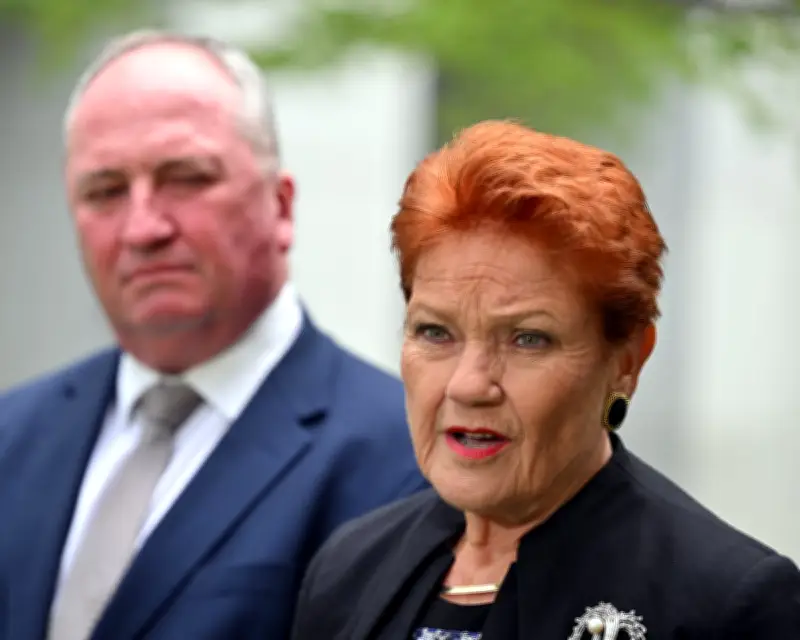
Diverging Fortunes of Two Populist Leaders
Pauline Hanson, leader of One Nation, is experiencing a surge in popularity in Australia, while Donald Trump, her ideological counterpart in the United States, languishes at a historic low. Both politicians have built their careers on exploiting voter anger, but their current trajectories could not be more different.
According to recent polling, Hanson's approval ratings have climbed to 12% nationally, a significant increase from previous years. In contrast, Trump's approval rating has fallen to 38%, the lowest of his presidency. This divergence highlights the distinct political climates in each country.
The Role of Voter Fury
Both leaders have tapped into deep-seated frustration among voters who feel left behind by globalization and economic change. Hanson's rhetoric on immigration and national identity resonates with a segment of the Australian electorate, while Trump's 'America First' agenda appealed to similar sentiments in the US.

However, the contexts differ. In Australia, Hanson's rise comes amid a cost-of-living crisis and housing affordability issues. In the US, Trump's decline follows the January 6 Capitol riot and ongoing legal troubles.
Why Hanson's Star Is Rising
Political analyst Dr. Sarah Johnson notes, "Hanson has successfully rebranded herself as a voice for the 'forgotten Australians.' Her message is simple and direct, which appeals to voters tired of mainstream politics." The major parties' failure to address housing and wage stagnation has driven voters to fringe parties.
One Nation's vote share in Queensland has increased by 5% in the last year, according to internal party data. The party is now targeting seats in New South Wales and Western Australia.
Trump's Decline: A Cautionary Tale
Trump's popularity has waned due to a combination of factors, including his role in the Capitol riot, multiple indictments, and the rise of other Republican figures. A recent Pew Research poll shows that only 32% of Americans view Trump favorably, down from 40% in 2020.
"Trump's brand of populism has become toxic after the events of January 6," says US political commentator Mark Davis. "Voters are looking for a more polished version of his policies without the baggage."
Implications for Australian Politics
Hanson's rising popularity could reshape the political landscape in Australia. The Coalition and Labor may need to adopt tougher stances on immigration and economic nationalism to win back disaffected voters. However, this risks alienating moderate voters.
"If major parties ignore the concerns that drive support for One Nation, they do so at their peril," warns Dr. Johnson. "But there is also a danger in adopting Hanson's policies wholesale."
Global Populist Trends
The contrasting fortunes of Hanson and Trump reflect broader trends in global populism. In Europe, far-right parties are gaining ground in Italy and France, while in the UK, Nigel Farage's Reform UK party is polling strongly.
Yet, populist leaders who have held power, like Trump, often face a backlash. "Populism thrives on being an outsider movement," explains political scientist Professor James Miller. "Once in power, they struggle to deliver on promises and their support erodes."
Hanson remains an outsider, never having held ministerial office. This allows her to maintain a purity of message that Trump has lost.
Conclusion
The rise of Pauline Hanson and the fall of Donald Trump demonstrate that populism is not a monolithic force. Its success depends on local conditions and the ability to remain outside the establishment. As Australia heads into the next federal election, Hanson's trajectory will be closely watched.